


Stainless Steel Sheets
What Is Stainless Steel Sheets
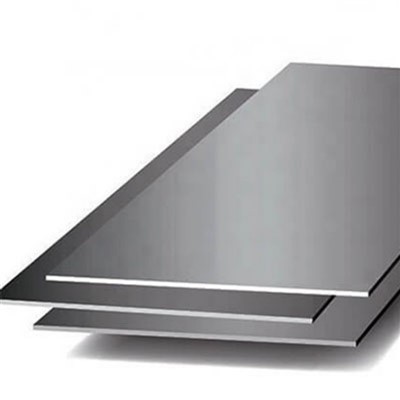
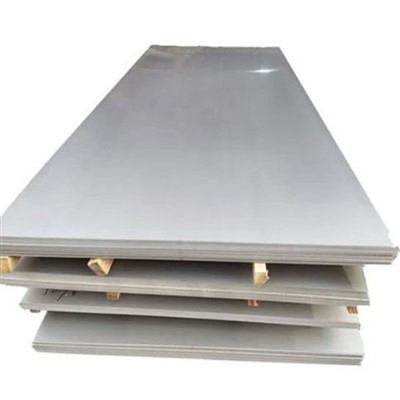
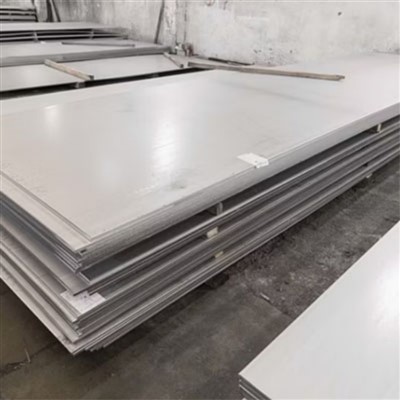
Stainless steel sheets are flat metal sheets made from an alloy of iron, carbon, and other elements such as chromium, nickel, and molybdenum. The addition of these elements gives stainless steel its unique properties, such as corrosion resistance, durability, and strength. There are different grades of stainless steel sheets, each with varying levels of these elements, making them suitable for different applications.
Advantages of Stainless Steel Sheets
Stainless steel is a versatile material
Stainless steel is an extremely valuable and versatile material that offer superior strength and corrosion resistance, as well as a sleek and modern appearance. It can also withstand extremely high and low temperatures, allowing it to be used in a variety of applications.
It is non-reactive
The stainless steel is non-reactive and thus is a good choice for cooking acidic foods. Foods that are too acidic can damage metal surfaces when cooked with reactive metals. There are different grades of stainless steel. Different countries have different systems. The foodservice industry uses sae grades and flatware grades. The lowest grade is 201 and is the most expensive.
It is heat resistant
Stainless steel sheet is a good choice for high-temperature applications, especially those that require a high level of corrosion resistance. This material resists oxidation and scaling at temperatures of up to 2,000 degf (1100 degc). However, its low level of silicon makes it susceptible to intergranular corrosion at high temperatures. In this article, we will examine the pros and cons of different types of stainless steel, and we’ ll cover the most common types of heat-resistant steel.
It is corrosion resistant
Stainless steel is an excellent choice for applications that require corrosion resistance. Its chemical composition is rich in chromium and consists of at least 10.5% of the element. The different grades of stainless steel are also distinguished by their different combinations of properties. Each grade has a different corrosion resistance level. Here are some of the most popular types. Stainless steel is available in a variety of sizes, weights, and finishes.
It is easy to bend
If you’ re working with a thin or small piece of stainless steel sheet, bending it is quite easy. However, some types of shapes are difficult to bend with standard bending tools. In these cases, a metal-bladed jigsaw or a rotozip saw will be sufficient. You’ ll have to measure the twist of the blade in order to achieve a consistent bend.
It is non-magnetic
Stainless steel is a solid material. It can contain various alloys that include chrome, nickel, and other materials. Some types are non-magnetic, while others contain both chromium and iron. These alloys interact with each other in a special way, making them non-magnetic. For example, some stainless steel plates are magnetic, while others are not. The reason for this is because the magnetism of stainless steel is counteracted by the ferromagnetic property of nickel and iron.



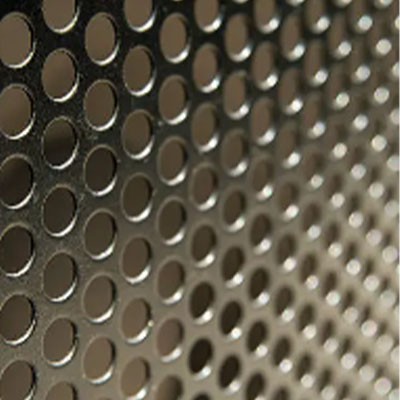
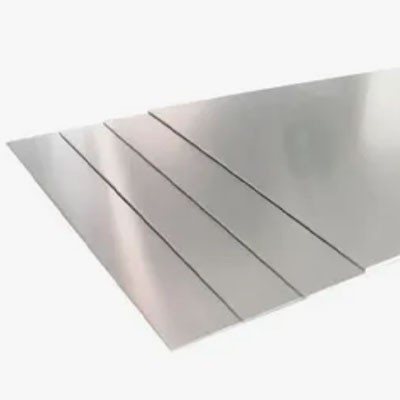


Why Choose Us
Our factory
Henan Tieyao Trading Co., Ltd., established in 2005, is one of China's leading stainless steel suppliers. We are dedicated to the processing, sales, and service of stainless steel and innovative precision metal materials. With 18 years of experience in providing customized solutions for stainless steel strips, foils, and sheets, we have become a trusted partner in the industry.
Our product
Tieyao Stainless Steel company is committed to providing internationally leading high-strength, high-corrosion-resistant, and high-nitrogen stainless steel products, covering austenitic stainless steel, ferritic stainless steel, martensitic stainless steel, duplex stainless steel, special alloys, and nickel-chromium alloys. We offer a wide variety of products, including different grades and specifications of stainless steel, precision alloys, high-temperature alloys, and special steels in the form of wires, tubes, bars, strips, and profiles.
Production market
In addition to having a significant presence in the domestic market, our products are also exported to Europe, Germany, Japan, South Korea, India, Brazil, Saudi Arabia, and other countries and regions.
Quality control
At Tieyao, quality is our top priority. We have implemented a rigorous quality control system that covers every stage of the production process, from raw material selection to final inspection. Our advanced testing facilities and highly skilled quality assurance team ensure that every product meets the highest standards of performance and reliability. We guarantee that our customers receive only the best products, tailored to their specific needs.
On the market, many grades are available. They are divided into two categories: numbers and numbers with alphabets in various combinations. To pick the proper quality of stainless steel sheet, consider which industry utilizes it and where it will be used. The letters H and L in the grade designation allude to the low and high carbon content of the stainless steel sheets. The stainless steel stockist may also explain the importance of these grades.
The sheets of stainless steel don’t have a grade assigned to them. In straight grades, the letters H or L don’t appear in the item name. Straight-grade goods contain about eight percent carbon, There is no hard and fast rule about the carbon content of certain metals; here are some of the typical uses for stainless steel sheets. 304- A variety of stainless steel sheet grades are available in 304, 304H, and 304L.
These stainless steel sheets are completely safe for use in food and beverage industries that require a high level of contamination resistance. They include 18% chromium and 8% nickel. 316- It contains between 11 and 14.5% nickel and between 16 and 18% chromium. 316 is commonly used in environmental and marine applications due to its great seawater resistance. 410- An example of a medical tool made of this steel would be a surgical strainer.
Production Process of Stainless Steel Sheet
Raw material selection
The production of stainless steel sheets begins with the careful selection of high-quality raw materials. Stainless steel is an alloy composed primarily of iron, chromium, and other elements. The specific grades and compositions of stainless steel are chosen based on the desired properties and applications of the final product.
Melting and casting
The selected raw materials are melted in electric arc furnaces or induction furnaces. The molten metal is then cast into slabs or billets. This casting process ensures the homogeneity of the stainless steel and removes any impurities.
Hot rolling
The cast slabs or billets are heated and passed through multiple sets of rollers in a hot rolling mill. This process reduces the thickness of the material and increases its length. The hot rolling process also refines the microstructure of the stainless steel and improves its mechanical properties.
Cold rolling
After hot rolling, the stainless steel is further processed through cold rolling. In this step, the material is passed through a series of rollers at room temperature. Cold rolling reduces the thickness and improves the surface finish of the stainless steel sheet. It also increases the material's strength and hardness.
Annealing and pickling
Following cold rolling, the stainless steel sheet undergoes annealing, a heat treatment process. Annealing involves heating the material to a specific temperature and then slowly cooling it. This process relieves internal stresses, enhances ductility, and improves the material's corrosion resistance. After annealing, the sheet is pickled to remove any scale or oxide layers formed during the annealing process.
Finishing operations
The stainless steel sheet may undergo additional finishing operations to meet specific requirements. These operations include cutting to size, leveling, straightening, and surface treatments such as polishing, brushing, or coating. These processes enhance the sheet's dimensional accuracy, surface quality, and aesthetic appearance.
Versatility
There are many applications for stainless steel, from utensils to skyscrapers. Stainless steel has been used for centuries in many industries and has several different grades. In the aerospace industry, it is used to construct aircraft, while automobile manufacturers prefer it because it is lighter. It is used to manufacture aircraft landing gear and frames because of its combination of good mechanical properties and corrosion resistance. Stainless steel is extremely resistant to environmental conditions, making it ideal for exposed structures like skyscrapers.
Corrosion resistance
Stainless steel has high resistance to corrosion, primarily due to its passive film. The film stops the electrochemical reaction and heals itself by passivating in an oxidizing environment. All types of corrosion on stainless steel are related to this film. Depending on factors such as ph, temperature, and surface finish, steel can be corroded in a variety of ways. Generally, a sheet of stainless steel is corrosion-resistant if its rate of deterioration is less than 0.1 mm/year.
Cost-effectiveness
The price of a stainless steel sheet is one of the most important factors when choosing the material. There are many types of stainless steel, but the classic forms are the least expensive. They provide great value for heavy-use applications. The base thickness, 2b, comes from the cold-rolling process and is the baseline for all other finishes. Stainless steel sheets with a thickness of 0.5mm or less are the cheapest option.
Bendability
Stainless steel sheets can be bent easily if you know how. The thickness and distribution of the heat will determine whether or not the sheet can be bent. Thin stainless sheets can burn or warp if too much heat is applied. Stainless steel sheets can be welded using the mig welding technique, which controls the amount of heat and allows the metal to cool. Other methods of cutting stainless sheets are high-tech lasers, jigsaws, and hacksaws. You should always file any burs or cuts made when handling this material.


Workability
Stainless steel sheet metal is easy to work with and relatively cheap. It is an excellent choice for a variety of applications, from massive industrial machines to intricate electronic parts. This steel alloy is made with a minimum of 10.5% chromium, which gives it exceptional anti-corrosion properties. The exact amount of chromium varies depending on the application. Stainless steel is an excellent material for any project that requires machining and fabrication and can be easily fabricated using advanced laser technology. Stainless steel comes in different grades, each with different benefits. The most common grade is 304, which provides excellent corrosion resistance in the most demanding of applications. Other popular grades include 316 and 430. Stainless steel 304 is the most widely used and most durable type of stainless steel, while 201 and 430 are ferritic straight chromium used for automotive trim and other applications that need extra corrosion resistance.
Properties of stainless steel sheet
When welds are performed, the properties of stainless steel sheets are important for the application. The thickness of the stainless steel sheet should be kept in mind. Too much heat can warp it and burn it. Mig welding is one way of welding stainless sheets. The amount of heat should be uniformly distributed to avoid cracking. The metal should also be allowed to cool sufficiently. The stainless sheet can be cut using high-tech lasers, but other methods include jigsaws and hacksaws. The stainless sheet should be handled with care, as it is very thin. Stainless steel sheets come in several different grades. The most common grade is the series 100–300, which is comprised of 16% chromium and 6% nickel. This grade is prized for its corrosion resistance. It is often used in construction, durable goods, and kitchen appliances. There are also higher-grade sheets, including 400 series sheet metal. These grades contain more nickel and chromium and are used in surgical instruments and knife blades.
Maintenance and Care of Stainless Steel Sheet
Regular cleaning
Stainless steel sheets should be cleaned regularly to remove dirt, dust, and grime. Use a mild detergent or soap and warm water, and a soft cloth or sponge to wipe down the surface. Avoid using abrasive materials, such as steel wool or abrasive cleaning pads, as these can scratch the surface.
Avoid harsh chemicals
Harsh chemicals, such as bleach and ammonia, can damage the surface of stainless steel sheets. Instead, use mild cleaning products or specialized stainless steel cleaners.
Use the grain
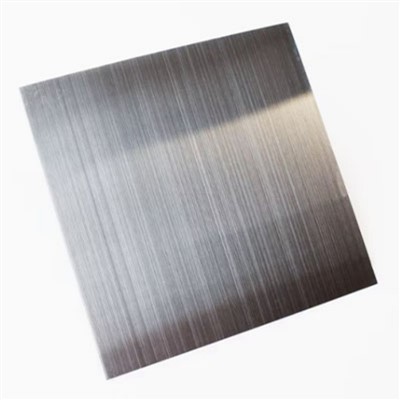
When cleaning stainless steel sheets, always wipe with the grain to avoid scratching the surface. The grain refers to the direction of the brushed finish on the surface.
Dry thoroughly
After cleaning, be sure to dry the stainless steel sheets thoroughly to avoid water spots and streaks. Use a clean, dry cloth to buff the surface.
Prevent damage
Avoid exposing stainless steel sheets to harsh chemicals, extreme temperatures, and abrasive materials. Use protective pads or mats under appliances, and avoid placing hot or sharp objects directly on the surface.
Polishing
Stainless steel sheets can be polished to restore their shine and remove any scratches or stains. Use a specialized stainless steel polish and a soft cloth to gently buff the surface.
How To Polish Stainless Steel Sheet
Readying the steel sheets
In the polishing process, the first step is to clean the sheets so they’ re ready for buffing or sanding. In this step, focus on fixing damaged or rough spots. These spots, if left untouched, could lead to malformed products at the end-user phase. Ensuring you do this step first, above all else, improves attention to detail and ensures the sheet is finished accordingly.
How to fix damaged areas
If you have metal that’ s spotty, has rough patches, and might have corrosion, you have extra work to do. These areas can affect the final product, so taking care of them first is critical. Using a grit brush of 80 to 120, go over the rough areas.
How to clean the metal
When cleaning the metal, ensure you have the right supplies before or after you’ ve worked on the rough or damaged parts. Your inventory list must include a grinder—bench or angle—a buffer and pad, acetone, sponges—ensure the sponges are soft—polishing compound, and white vinegar.
Buffing the sheets
Ensure the sheets are dry before buffing. Not waiting until the surface is dry could smear the finisher used in the final step, leading to a lustreless shine. Instead of smooth finishes, the smearing may resemble pinwheels at the end of the cleaning process. So wait for the surface to dry, then start this process.
Tips for better buffing
One of the best ways to maintain metal sheets is by buffing them. You won’ t end up with a clean appearance every time, but you can improve your polishing practices by following these tips: Don’ t force the buffer wheel down too hard. Gently brush over the surface; when you’ re gentle, the results are better. Avoid using the same wheel or cloth for every compound. Using the same one could alter the effects of the finish. Try not to use too much compound. Using too much lowers your inventory, and it runs out faster. Additionally, it doesn’ t make a difference in how shiny your surface gets. Don’ t go too slow; stay on one spot for one to two seconds, then move on to the next spot.
Polishing the sheets
Polishing is the fun part, and it’ s not as strenuous as buffing. All you need are your own two hands or another buffing wheel. Using your hands or a buffing wheel or pad can deliver the finishing touches to your piece. Machine polishing and hand polishing are two of the best methods for cleaning stainless steel sheets.
Machine polishing
This process involves buffing. Since it’ s already done in the second step, take the time to analyze the surface. Does it show imperfections, like a streak or a spot you completely missed? Go ahead and do a second round, but in that one area. If you missed multiple places, divide up the work and focus on one place at a time.
Hand polishing
Hand polishing is a process to keep in your back pocket. This method allows you to get your hands dirty—literally. However, cleaning with your hands might not be suitable for larger pieces, like long roof sheets or signs. Put this method aside for smaller projects, like appliances or machine parts.
Henan Tieyao Trading Co., Ltd., established in 2005, is one of China's leading stainless steel suppliers. We are dedicated to the processing, sales, and service of stainless steel and innovative precision metal materials. With 18 years of experience in providing customized solutions for stainless steel strips, foils, and sheets, we have become a trusted partner in the industry.
Tieyao Stainless Steel company is committed to providing internationally leading high-strength, high-corrosion-resistant, and high-nitrogen stainless steel products, covering austenitic stainless steel, ferritic stainless steel, martensitic stainless steel, duplex stainless steel, special alloys, and nickel-chromium alloys. We offer a wide variety of products, including different grades and specifications of stainless steel, precision alloys, high-temperature alloys, and special steels in the form of wires, tubes, bars, strips, and profiles.
Products are widely used in high-end manufacturing fields such as aerospace, aviation, petroleum, marine, shipbuilding, power plants, heavy machinery, instruments, medical devices, chemicals, automotive, and electronics. In addition to having a significant presence in the domestic market, our products are also exported to Europe, Germany, Japan, South Korea, India, Brazil, Saudi Arabia, and other countries and regions. We are dedicated to providing comprehensive, cost-effective customized material solutions to ensure our products meet the high standards and diverse needs of our customers.


Certifications
We are a partner you can trust to provide the perfect solution for all your stainless steel needs.
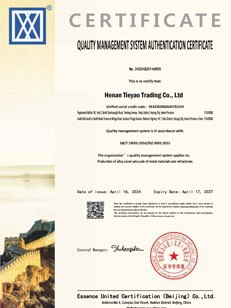
QMC

EMC
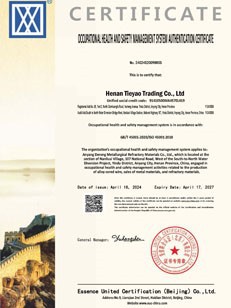
OHSMS

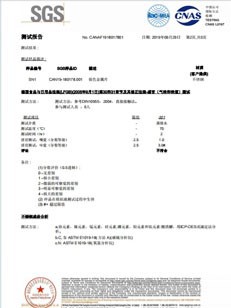
SGS
SGS

TEST REPORT