


Stainless Steel Solutions for Marine Applications

Explore stainless steel for marine use
Marine environments are among the harshest for materials due to constant exposure to saltwater, humidity, and varying temperatures. Stainless steel, with its high corrosion resistance and durability, is widely used in marine applications for shipbuilding, offshore platforms, and marine infrastructure. The right stainless steel grades ensure long-lasting performance, minimizing maintenance and extending the life of marine structures and components.
In a seawater environment, choosing the appropriate stainless steel material is crucial. Depending on the specific seawater conditions and usage requirements, materials like 304 stainless steel, 316 stainless steel, 316L stainless steel, or 2205 stainless steel can be selected. By comparing the corrosion resistance, mechanical properties, heat resistance, and other key indicators of various stainless steels, and selecting based on actual needs, the long-term stable operation of equipment can be ensured.
Why Stainless Steel is Essential in Marine Applications?
Benefits of Stainless Steel in Marine Environments
Stainless steel is preferred in marine environments due to its unique properties:
- Corrosion Resistance:
Stainless steel resists rust and corrosion from saltwater exposure, reducing maintenance costs and extending the life of marine structures.
- Strength and Durability:
It withstands harsh conditions, ensuring stability and longevity for marine structures.
- Low Maintenance:
With minimal upkeep, stainless steel is a cost-effective choice for long-term use in marine applications.
Common Marine Applications for Stainless Steel
- Shipbuilding (hulls, masts, handrails)
- Coastal Infrastructure (piers, docks, jetties)
- Offshore Platforms and Oil Rigs
- Boat Fittings and Accessories
Including these specific applications helps target industry professionals looking for durable and resilient materials.
Recommended Stainless Steel Grades for Marine Applications
Marine applications require high-quality stainless steel grades with excellent corrosion resistance. The following grades are popular choices:

316 Stainless Steel
Description: 316 stainless steel contains molybdenum, giving it superior resistance to saltwater corrosion compared to 304 stainless steel.
Applications:Ideal for shipbuilding, boat fittings, and dock construction.
Benefits:Resists pitting, crevice corrosion, and general oxidation in saltwater environments.

Duplex Stainless Steel (2205)
Description: Known for high strength and exceptional corrosion resistance, particularly against stress corrosion cracking.
Applications: Suitable for load-bearing applications such as offshore oil platforms and marine structures.
Benefits: High tensile strength and excellent resistance to chloride-induced stress corrosion.

904L Stainless Steel
Description: 904L stainless steel is an austenitic grade with high nickel and molybdenum content, offering extreme corrosion resistance.
Applications: Ideal for chemical tankers, pipelines, and components exposed to saltwater and aggressive chemicals.
Benefits: Excellent choice for the most challenging environments where traditional marine-grade steels may not perform.
Mechanical Properties:
| Grade | Tensile Strength (MPa) | Yield Strength (MPa) | Elongation (%) | Corrosion Resistance | Best Applications |
| 316 | 515 | 290 | 40 | Very High | Ship fittings, underwater structures |
| 317 | 515 | 275 | 40 | Superior | Marine environments with high chloride exposure |
| Duplex 2205 | 620 | 450 | 25 | Extreme | Offshore platforms, ship hulls |
| 904L | 490 | 220 | 35 | Outstanding | Heat exchangers, seawater piping systems |
Manufacturing and Fabrication Techniques for Marine-Grade Stainless Steel
Marine environments present unique challenges that require stainless steel to be manufactured and fabricated with precision to ensure resilience against saltwater corrosion, mechanical stress, and the effects of prolonged exposure to water and atmospheric conditions. Below is an in-depth look at the manufacturing and fabrication techniques that maximize the performance and durability of stainless steel for marine applications.
1. Precision Cutting
Cutting marine-grade stainless steel requires specific techniques to avoid compromising the material's corrosion resistance and structural integrity. The choice of cutting method depends on the steel grade and the desired outcome.
Laser Cutting:
- Precision: Laser cutting offers high precision and smooth edges, crucial for components exposed to saltwater, where rough edges could initiate corrosion.
- Minimal Heat Distortion: This method generates less heat than traditional cutting techniques, reducing the risk of heat distortion, which is essential for maintaining material strength and resistance.
2. Welding
Welding marine-grade stainless steel requires specialized techniques to avoid weakening the metal or creating areas vulnerable to corrosion. In marine applications, improper welding can lead to failures under stress or exposure to harsh elements, so precision is essential.
Grades like 316 and Duplex 2205 stainless steel are ideal for welding due to their strength and corrosion resistance, even in high-stress applications like shipbuilding.
After welding, stainless steel surfaces are often passivated to restore their natural corrosion resistance. This chemical process removes any contaminants or impurities that may have been introduced during welding and enhances the protective chromium oxide layer on the surface.
3. Forming
316 stainless steel is highly formable, making it perfect for manufacturing marine parts like propellers, hulls, and rails that require complex shapes.
4. Surface Finishing
Surface finishing is crucial for stainless steel in marine settings, where smooth, polished surfaces are better at resisting corrosion and preventing the accumulation of salt and marine debris.
Polished Finish:
- Enhanced Corrosion Resistance: Polished stainless steel has fewer surface irregularities where corrosion can initiate, making it ideal for boat fittings, railings, and other exposed components.
- Aesthetic Appeal: In addition to functionality, a polished finish provides a sleek, modern appearance, highly valued in yacht and luxury boat manufacturing.
Brushed Finish:
- Non-Reflective: The brushed finish is often chosen for its matte appearance, reducing glare, which is beneficial for visibility on ship decks or marine equipment.
- Improved Wear Resistance: The brushed finish provides added texture, which is helpful in applications where some degree of friction or grip is required.
Electropolishing:
- For marine-grade stainless steel, electropolishing is a highly effective method of surface finishing. This electrochemical process removes a thin layer of the stainless steel surface, further reducing roughness, and enhances the protective chromium oxide layer.
- Advantages: Electropolished surfaces are exceptionally smooth and less prone to biofouling (attachment of marine organisms), making it suitable for underwater applications like hulls, propellers, and underwater pipelines.
5. Heat Treatment for Enhanced Strength and Corrosion Resistance
Heat treatment is often used to increase the hardness, toughness, and overall corrosion resistance of stainless steel, particularly for components used in high-stress or extreme marine environments.
Annealing:
- Relieves Stress: The annealing process involves heating and slowly cooling the metal to reduce internal stresses introduced during fabrication, which improves durability and corrosion resistance.
- Enhanced Flexibility: This process makes the stainless steel more pliable, allowing for easier shaping into specific marine parts, such as fittings and brackets.
Quenching and Tempering:
- Improved Hardness: Quenching rapidly cools stainless steel after heating, making it much harder and more resistant to wear.
- Tempering for Toughness: Tempering follows quenching, slightly softening the metal to improve its toughness and make it more suitable for marine applications like ship hulls, which must withstand constant mechanical stress.
Heat-treated stainless steel components are ideal for areas exposed to both physical stress and corrosive saltwater, ensuring optimal performance in marine applications.
Case Studies: Stainless Steel in Marine Applications
Case Study 1: Offshore Platform Corrosion Protection
Challenge: A major offshore oil extraction company was facing rapid corrosion of structural components on their oil platforms due to the harsh marine environment, which included exposure to saltwater, humidity, and chlorine. Their existing carbon steel structures required frequent maintenance and repairs, leading to high costs and downtime.
Solution: Super Duplex 2507 stainless steel was chosen for key structural components due to its superior corrosion resistance, particularly against pitting and crevice corrosion, which are common in chloride-rich environments. This grade also offered high tensile strength, allowing it to support heavy loads without excessive bulk.
Outcome: By replacing carbon steel with Super Duplex 2507, the offshore platform significantly reduced its maintenance requirements, extended the lifecycle of the structural components, and increased overall operational reliability. The use of stainless steel resulted in a 40% reduction in maintenance costs over five years and minimized unplanned shutdowns due to corrosion-related repairs.

Case Study 2: Seawater Desalination Plant Piping System

Challenge: A seawater desalination plant needed to construct a piping system that could handle the highly corrosive nature of seawater. Previous attempts with traditional materials led to frequent corrosion, leaks, and contamination, affecting the efficiency and output of the plant.
Solution: 316L stainless steel was selected for the desalination plant's piping system due to its excellent resistance to chloride-induced corrosion. The low carbon content of 316L helped prevent sensitization during welding, a critical factor for long pipe runs in desalination plants.
Outcome: The transition to 316L stainless steel pipes reduced leaks, maintained water purity, and extended the life of the piping system. The desalination plant saw an improvement in production efficiency and a significant reduction in maintenance needs, contributing to a longer operating lifecycle and better overall performance.
Case Study 3: Shipbuilding Hull and Structural Components
Challenge: A shipbuilding company required materials that could withstand the constant exposure to saltwater, humidity, and intense sunlight while supporting the structural integrity of the hull and other critical components. Previous materials suffered from corrosion and required regular maintenance to remain seaworthy.
Solution: Duplex 2205 stainless steel was chosen for the hull and other high-load structural components. Duplex 2205 offers a combination of high corrosion resistance and mechanical strength, allowing for reduced wall thickness without compromising durability. Its resistance to pitting and stress corrosion was ideal for the marine environment.
Outcome: The use of Duplex 2205 stainless steel extended the vessel's operational life and reduced maintenance costs by 30%. The ship maintained better resistance to saltwater corrosion, and its lighter yet durable structure improved fuel efficiency, making it more economical to operate.

How to Choose the Right Stainless Steel for Your Marine Project
Selecting the right stainless steel grade is essential in marine applications where exposure to saltwater and chlorides creates a highly corrosive environment. This guide provides recommendations on stainless steel grades suited to different marine applications based on corrosion resistance, mechanical strength, and durability.
1. Stainless Steel Grades for Corrosion Resistance in Marine Environments
| Stainless Steel Grade | Corrosion Resistance | Best Applications | Advantages |
| 316/316L Stainless Steel | Excellent (especially in seawater and chloride environments) | Piping systems, tanks, ship hulls | High resistance to pitting and crevice corrosion, maintains purity in desalination plants |
| Duplex 2205 | Very high | Offshore platforms, pipelines, marine fasteners | Combines strength with resistance to chloride stress corrosion |
| Super Duplex 2507 | Superior | Deep-sea pipelines, structural components of oil rigs | Outstanding resistance to pitting, high tensile strength |
Recommendation: For applications with frequent saltwater exposure, 316L is ideal for moderate corrosion environments like piping and desalination. Duplex 2205 offers enhanced resistance and strength, suited for structural components, while Super Duplex 2507 is excellent for deep-sea applications and heavy-duty structural elements.
2. Stainless Steel Grades for High-Load and Structural Applications
| Stainless Steel Grade | Strength and Durability | Best Applications | Advantages |
| Duplex 2205 | High | Hull structures, masts, ship superstructures | High yield strength, reduced wall thickness, excellent durability |
| Super Duplex 2507 | Very high | Offshore drilling platforms, heavy structural elements | Superior mechanical strength and corrosion resistance |
| 904L Stainless Steel | Good | Tankers, hulls, storage tanks | Resistant to both marine and acidic environments |
Recommendation: For high-stress structural applications in marine settings, Duplex 2205 and Super Duplex 2507 stainless steels offer the best combination of strength and corrosion resistance. 904L is an ideal choice for applications where both marine and chemical exposures are present.
3. Stainless Steel Grades for Seawater Desalination and Piping
| Stainless Steel Grade | Chemical and Corrosion Resistance | Best Applications | Advantages |
| 316/316L Stainless Steel | High (especially in chloride-rich environments) | Desalination plants, seawater pipelines | Ideal for saltwater environments, prevents contamination |
| 317L Stainless Steel | Superior (compared to 316L) | High-salinity applications, desalination units | Better resistance to pitting in higher salinity than 316L |
| AL-6XN Stainless Steel | Outstanding (particularly for chlorides) | Desalination and chemical processing, underwater components | Extremely high resistance to pitting and crevice corrosion |
Recommendation: For seawater desalination systems, 316L stainless steel is a solid choice for its excellent chloride resistance. Where salinity is exceptionally high, 317L or AL-6XN stainless steel can provide additional corrosion resistance and longevity.
4. Specialized Stainless Steel Grades for Extreme Marine Environments
| Stainless Steel Grade | Extreme Condition Compatibility | Best Applications | Advantages |
| 254 SMO Stainless Steel | Superior (resistant to pitting in severe environments) | Marine heat exchangers, chemical tanks | Outstanding resistance to chloride-rich environments |
| 904L Stainless Steel | High | Submerged structures, tankers, saltwater pumps | Resists corrosion in both marine and acid exposures |
| AL-6XN Stainless Steel | Excellent | Desalination equipment, subsea structures | High resistance to both pitting and stress corrosion |
Recommendation: For severe marine conditions where pitting and crevice corrosion are concerns, 254 SMO and AL-6XN stainless steels are ideal for long-term durability. 904L is excellent for multi-environment use where materials face both seawater and acidic conditions.
Additional Considerations for Marine Applications
- Surface Treatments: Surface treatments like electropolishing, passivation, and coating can enhance the corrosion resistance of stainless steel. These treatments reduce micro-roughness, making surfaces more resistant to biofouling, scaling, and other forms of marine degradation.
- Fabrication and Welding: Special care should be taken during welding and fabrication to prevent sensitization, which can lead to intergranular corrosion. Low-carbon versions of stainless steel, such as 316L and 317L, are recommended to minimize this risk.
- Environmental Impact: Stainless steel is a sustainable choice for marine applications due to its recyclability, durability, and resistance to environmental degradation. Choosing the right grade minimizes the need for replacements and repairs, reducing the long-term environmental footprint.
FAQ
Why Choose Us
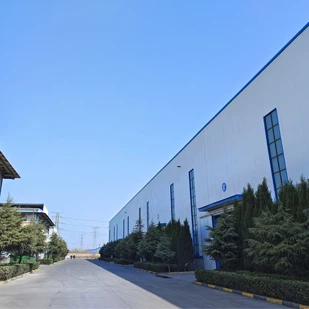
Our factory
Henan Tieyao Trading Co., Ltd., is one of China's leading stainless steel suppliers. We are dedicated to the processing, sales, and service of stainless steel and innovative precision metal materials. With more than 10 years of experience in providing customized solutions for stainless steel strips, foils, coils, plates, pipes, and bars, we have become a trusted partner in the industry.
Our product
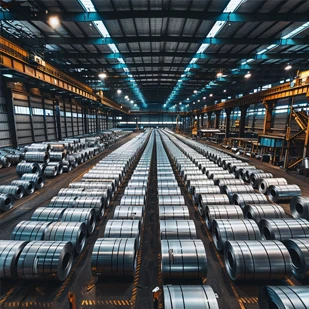
Tieyao Stainless Steel company is committed to providing internationally leading high-strength, high-corrosion-resistant, and high-nitrogen stainless steel products, covering austenitic stainless steel, ferritic stainless steel, martensitic stainless steel, duplex stainless steel, special alloys, and nickel-chromium alloys.
Production market
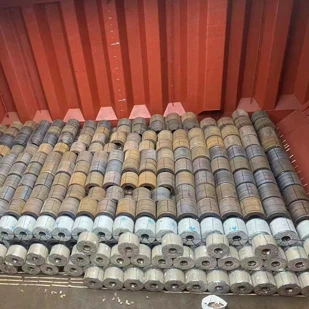
In addition to having a significant presence in the domestic market, our products are also exported to Europe, Germany, Japan, South Korea, India, Brazil, Saudi Arabia, and other countries and regions.
Quality control
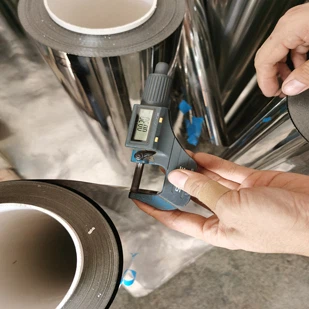
At Tieyao, quality is our top priority. We have implemented a rigorous quality control system that covers every stage of the production process, from raw material selection to final inspection. Our advanced testing facilities and highly skilled quality assurance team ensure that every product meets the highest standards of performance and reliability. We guarantee that our customers receive only the best products, tailored to their specific needs.
Products gallery

Certifications
We are a partner you can trust to provide the perfect solution for all your stainless steel needs.

QMC

EMC

OHSMS

SGS

SGS

TEST REPORT
Get in Touch for High-Quality Stainless Steel for Marine Use
Looking for durable and corrosion-resistant stainless steel solutions for your marine project? Contact us today to learn more about our stainless steel products and how they can help protect your investments in marine environments. Our team of experts is ready to guide you through the best choices for your application.
Send Inquiry