


Stainless Steel Solutions for the Construction and Infrastructure Industry

Explore custom stainless steel solutions for the construction industry
Stainless steel is an essential material in the construction and infrastructure sectors due to its unmatched strength, aesthetic versatility, and long-lasting corrosion resistance. Its flexibility allows for a wide range of applications, from structural reinforcements to external facades, making it a preferred choice for both functional and decorative purposes. With the ability to withstand extreme weather conditions, pollution, and physical stress, stainless steel remains a top choice in construction projects worldwide.
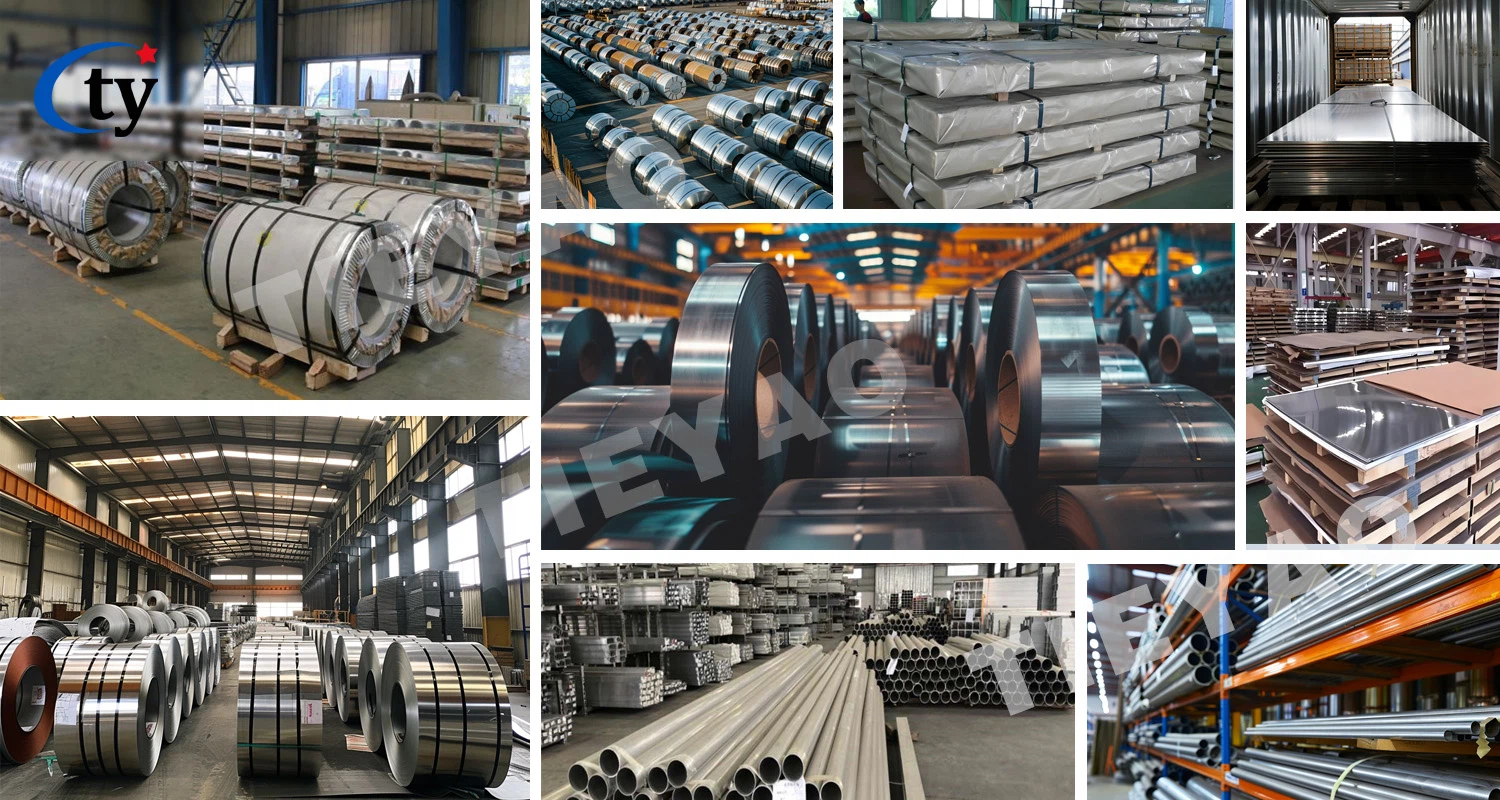
At Tieyao, we offer a wide range of products, including different grades and specifications of stainless steel, precision alloys, high-temperature alloys, and special steels. These materials are available in various forms such as coils, plates, strips, wires, tubes, bars, and profiles, and can be customized according to specific requirements in terms of grade, thickness, width, length, surface finish, hardness, edge shape, and quantity.
Technical Specifications for Construction Stainless Steel
Stainless Steel Grades Commonly Used

304 Stainless Steel
Widely used for both structural and decorative purposes due to its good balance of strength, corrosion resistance, and cost-effectiveness.
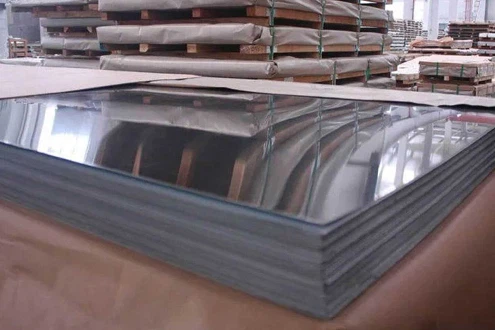
316 Stainless Steel
Chosen for its superior resistance to chlorides, making it ideal for coastal or heavily polluted environments.
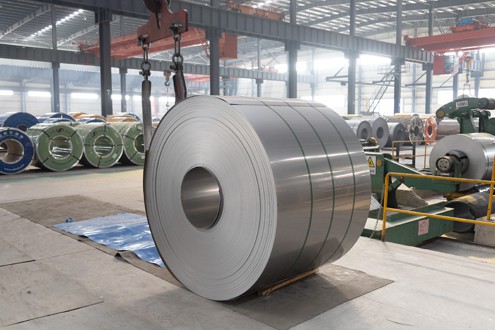
2205 Duplex Stainless Steel
Offers enhanced strength and corrosion resistance, often used in highly stressed structures such as bridges and high-rise buildings.
Mechanical Properties:
| Grade | Tensile Strength (MPa) | Yield Strength (MPa) | Elongation (%) | Corrosion Resistance | Best Use Cases |
| 304 | 505 | 215 | 40 | High | General construction |
| 316 | 515 | 290 | 40 | Very High | Coastal, industrial |
| 2205 | 620 | 450 | 25 | Extreme | Bridges, high-stress |
Manufacturing Techniques for Construction Applications
The versatility of stainless steel in construction stems from the variety of manufacturing techniques that can be applied to it. These processes allow for customized solutions that meet the unique needs of each project.
Cutting and Welding
Both 304 and 316 stainless steel grades are known for their ease of fabrication, allowing them to be cut and welded into custom shapes and sizes. Laser cutting, plasma cutting, and traditional welding techniques can all be used to create structural elements such as beams, panels, and custom architectural features.
Surface Finishing
To enhance the aesthetic appeal of stainless steel, various finishing techniques are used, including polished, brushed, and textured finishes. These finishes not only improve visual appeal but also enhance resistance to wear and tear, making them ideal for high-traffic areas like commercial buildings or public infrastructure.
Load-Bearing Structures
2205 Duplex stainless steel is preferred for large-scale load-bearing components such as bridges, skyscrapers, and industrial structures. With its high tensile strength and resistance to environmental stress, it can endure extreme loads and environmental conditions, making it a reliable choice for critical infrastructure.
Case Studies & Projects
Stainless Steel in the Construction Industry
Case Study 1: Stainless Steel in High-Rise Construction
Project Overview:
In a bustling coastal city, a high-rise skyscraper was planned as a landmark development. The building's design required materials that could withstand the harsh coastal environment, which included constant exposure to saltwater, humidity, and pollutants from nearby industrial zones. The structure needed to maintain its aesthetic appeal and structural integrity with minimal long-term maintenance.
Challenge:
- Corrosion Risk: The building's proximity to the sea posed a significant risk of corrosion due to the presence of salt in the air, which can rapidly deteriorate traditional construction materials like steel and aluminum.
- Aesthetic Durability: As a flagship development in a major city, the facade needed to retain a sleek, modern appearance for decades without discoloration, rusting, or requiring frequent maintenance.
- Structural Integrity: Given the skyscraper's height, the building materials needed to be strong enough to support the load-bearing requirements of a high-rise while also being resistant to corrosion and environmental stress.
Solution:
After evaluating various material options, the engineers decided to use 316 stainless steel for both the facade and the structural framework. The reasons for choosing 316 stainless steel were:
- Corrosion Resistance: 316 stainless steel contains molybdenum, providing enhanced resistance to corrosion, especially from saltwater and industrial pollutants common in coastal areas.
- Low Maintenance: Stainless steel's ability to resist rust and staining meant the building would require minimal cleaning and maintenance over its lifespan.
- Aesthetic Flexibility: The material could be finished with a brushed or polished surface, allowing the designers to maintain the building's sleek, contemporary look.
Execution:
- Facade Panels: 316 stainless steel panels were used for the building's exterior, ensuring that the facade remained visually appealing while being protected from the corrosive effects of salt and pollutants.
- Structural Framework: Stainless steel support beams were incorporated into the internal framework, ensuring long-term structural integrity without the risk of corrosion compromising the strength of the building over time.
Outcome
Using 316L stainless steel resulted in a facade that remains visually stunning while resisting corrosion, even after years of exposure to the coastal elements. Maintenance costs were significantly reduced, and the building achieved its sustainability targets due to the material's energy-efficient properties and long lifespan. The choice of stainless steel also allowed for a bold, modern design that enhanced the building's aesthetic appeal.
Case Study 2: Stainless Steel for Structural Reinforcement in Bridges
Challenge
In a large infrastructure project, the local government required a durable material for reinforcing the support structures of a bridge spanning a river. The environment posed challenges due to constant exposure to water, humidity, and potential chemical pollutants. The material needed to ensure structural integrity, resist corrosion, and extend the bridge's service life.
Solution
2205 duplex stainless steel was chosen for its high strength, excellent resistance to chloride-induced stress corrosion cracking, and enhanced durability in aggressive environments. This stainless steel grade provided the necessary mechanical strength while offering superior corrosion resistance compared to carbon steel or traditional stainless steels.
Outcome
The incorporation of 2205 duplex stainless steel into the bridge's structural elements extended its expected lifespan by decades. The material's high strength allowed for reduced material thickness, resulting in lower overall weight and material costs. The bridge's performance in terms of load-bearing and durability exceeded expectations, and its long-term maintenance requirements were significantly reduced due to the corrosion-resistant properties of duplex stainless steel.
Case Study 3: Stainless Steel in Sustainable Roofing Solutions
Challenge
A green building project aimed to achieve LEED certification for a new office complex, requiring eco-friendly materials for its roofing system. The roofing material had to be durable, sustainable, and energy-efficient while maintaining its aesthetic appeal over time.
Solution
304 stainless steel with a brushed finish was selected for the roofing material. Stainless steel's reflective properties helped reduce heat absorption, improving the building's energy efficiency. Additionally, stainless steel is 100% recyclable, contributing to the project's sustainability goals.
Outcome
The stainless steel roof reduced cooling costs by reflecting sunlight and minimizing the urban heat island effect. Its durability and corrosion resistance eliminated the need for frequent repairs or replacements, further enhancing the building's sustainability. The project successfully achieved LEED certification, thanks in part to the use of environmentally friendly materials like stainless steel.
Our Stainless Steel Solutions
We offer a wide range of stainless steel products and services designed to meet the needs of various construction projects.
Structural Stainless Steel Components
Beams, columns, and load-bearing structures designed for buildings, bridges, and public infrastructure.
High-strength alloys that ensure stability and durability in demanding environments.
01
Architectural Stainless Steel
Stainless steel cladding, facades, and curtain walls to enhance the exterior aesthetics of buildings.
Custom finishes including brushed, mirrored, and textured options to suit architectural design preferences.
02
Stainless Steel Reinforcement
Corrosion-resistant stainless steel rebar and mesh for reinforcing concrete structures.
Ideal for high-exposure environments like coastal areas and tunnels.
03
Stainless Steel Handrails and Balustrades
Durable and stylish handrails, balustrades, and guardrails for public and private spaces.
Ideal for bridges, walkways, balconies, and staircases.
04
Water Management Solutions
Stainless steel drainage systems, gutters, and rainwater goods for efficient water management.
Solutions that prevent rust and leakage, ensuring longevity in both residential and commercial settings.
05
Why Choose Stainless Steel for Construction?
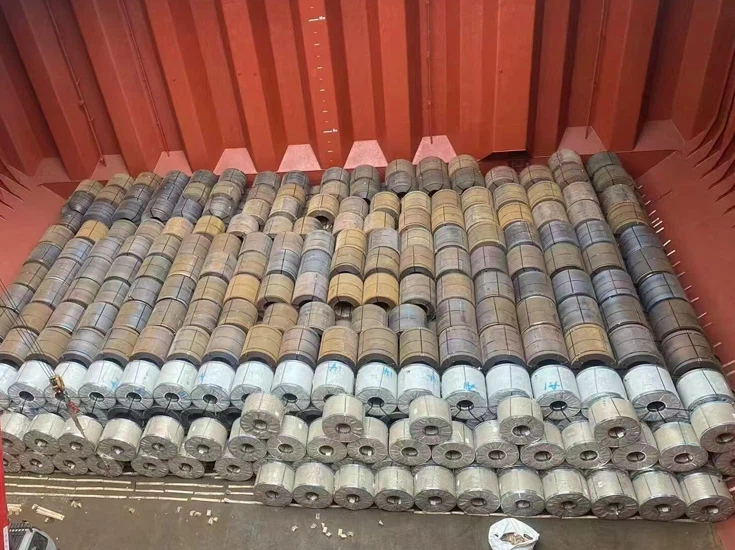
Stainless steel offers a range of benefits that make it an ideal choice
Durability
Resistant to corrosion, high temperatures, and environmental factors, stainless steel ensures long-lasting performance.
Strength and Flexibility
Provides superior structural strength, while remaining flexible enough for complex designs.
Low Maintenance
With minimal upkeep required, stainless steel saves time and costs over the long term.
Sustainability
Stainless steel is 100% recyclable, reducing environmental impact and supporting green building initiatives.
Aesthetic Appeal
Sleek, modern finishes enhance the appearance of buildings, bridges, and other infrastructure projects.
Product Selection Guide for Construction Engineers
Stainless steel is an essential material in the construction industry due to its unmatched durability, corrosion resistance, and aesthetic versatility. It is widely used in building facades, structural components, bridges, and other high-performance infrastructure. The following guide provides an overview of key stainless steel grades suitable for various construction applications.
1. Stainless Steel Grades for Building Facades and Cladding
| Stainless Steel Grade | Corrosion Resistance | Strength | Finish Options | Best Applications |
| 316L Stainless Steel | Excellent (especially in chloride-rich environments) | High | Polished, Brushed | Coastal facades, skyscraper cladding, high-end architectural designs |
| 304 Stainless Steel | Very Good | Medium | Polished, Matte | Urban facades, interior walls, decorative elements |
| 430 Stainless Steel | Moderate | Medium | Satin, Brushed | Interior cladding, lower-cost exterior applications |
Recommendations:
- For coastal and marine environments, 316L stainless steel provides superior protection against corrosion, making it ideal for building facades and cladding exposed to salt spray.
- 304 stainless steel is a versatile choice for general urban environments, offering a balance between aesthetics and corrosion resistance.
- For lower-budget projects where the risk of corrosion is minimal, 430 stainless steel can be a cost-effective option for interior applications or sheltered exterior areas.
2. Stainless Steel Grades for Structural Components and Reinforcements
| Stainless Steel Grade | Tensile Strength (MPa) | Corrosion Resistance | Best Applications |
| 2205 Duplex Stainless Steel | 620 | Excellent (especially against chloride stress cracking) | Bridges, load-bearing structures, support beams |
| 304 Stainless Steel | 515 | Very Good | Lightweight structures, railings, supports |
| 316 Stainless Steel | 485 | Excellent | Structures exposed to harsh environments (marine, chemical exposure) |
Recommendations:
- 2205 duplex stainless steel is the best choice for load-bearing structures in aggressive environments like bridges, where both strength and corrosion resistance are crucial.
- 304 stainless steel is a popular choice for interior structural components or in environments where corrosion risks are lower.
- For marine or chemically exposed structures, 316 stainless steel provides superior corrosion resistance and durability.
3. Stainless Steel Grades for Roofing and Rainwater Systems
| Stainless Steel Grade | Corrosion Resistance | Reflectivity | Best Applications |
| 304 Stainless Steel | Very Good | High | Roofing, gutters, rainwater systems |
| 316 Stainless Steel | Excellent | High | Roofing in coastal areas, chemical exposure zones |
| 430 Stainless Steel | Moderate | Moderate | Cost-effective roofing, interior ceilings |
Recommendations:
- For high-performance roofing solutions in urban environments, 304 stainless steel offers excellent corrosion resistance and heat reflectivity, making it an energy-efficient choice.
- 316 stainless steel is recommended for coastal areas or locations with high humidity, providing enhanced protection against corrosion.
- 430 stainless steel can be used for budget-conscious projects, particularly in interior applications or environments with minimal exposure to harsh elements.
4. Stainless Steel Grades for Railings, Handrails, and Balustrades
| Stainless Steel Grade | Corrosion Resistance | Aesthetic Finish Options | Best Applications |
| 304 Stainless Steel | Very Good | Brushed, Polished | Interior/exterior railings, handrails, balustrades |
| 316 Stainless Steel | Excellent | Polished, Satin | Exterior railings in marine/coastal environments |
| 430 Stainless Steel | Moderate | Satin, Matte | Interior railings and balustrades |
Recommendations:
- 304 stainless steel is ideal for general use in railings and handrails, offering a balance of corrosion resistance and aesthetic appeal for both interior and exterior applications.
- For harsh exterior environments, particularly coastal or marine settings, 316 stainless steel provides superior corrosion protection and a polished finish for a sleek, modern look.
- 430 stainless steel is a good option for indoor applications where cost savings are important, and corrosion risks are minimal.
5. Stainless Steel Grades for Fire-Resistant and Seismic Applications
| Stainless Steel Grade | Fire Resistance | Corrosion Resistance | Best Applications |
| 304 Stainless Steel | Good | Very Good | Fire-rated doors, seismic reinforcements |
| 316 Stainless Steel | Excellent | Excellent | Fire-resistant structural components, chemical plants, industrial zones |
Recommendations:
- For fire-resistant doors and structures, 304 stainless steel provides sufficient fire protection while maintaining good formability and corrosion resistance.
- 316 stainless steel offers enhanced fire resistance, especially in industrial zones where chemical exposure and high temperatures are factors.
Why Choose 316 Stainless Steel?
For Urban and Coastal Environments
Recommended Grade: 316 Stainless Steel
- Corrosion Resistance: 316 stainless steel is enhanced with molybdenum, providing superior protection against chloride and saltwater corrosion. This makes it the ideal choice for coastal areas, urban settings with high pollution levels, and industrial zones exposed to chemicals.
- Long-Term Durability: With its resistance to rust and staining, 316 stainless steel significantly reduces maintenance costs, especially in harsh environments where other materials would deteriorate more quickly.
- Aesthetic Appeal: Available in a range of finishes such as polished or brushed, 316 stainless steel provides a modern, clean appearance for exterior facades, roofs, and cladding. Its durability ensures that the building retains its look for many years.
Applications:
- Facades and Cladding: 316 stainless steel can be used for building facades, particularly in high-rise and waterfront properties where appearance and durability are critical.
- Roofs and Rainwater Systems: It is also suitable for roofs, gutters, and drainage systems that are frequently exposed to rain and salt-laden air.
Why Choose 2205 Duplex Stainless Steel?
For High-Strength, Load-Bearing Applications
Recommended Grade: 2205 Duplex Stainless Steel
- High Tensile Strength: With a tensile strength of 620 MPa, 2205 duplex stainless steel offers superior strength compared to standard austenitic grades like 304 and 316. This makes it ideal for load-bearing components that must support heavy weights and resist structural stress.
- Resistance to Stress Corrosion Cracking: In environments where the material is exposed to tensile stress and corrosive substances (such as bridges and large infrastructure projects), 2205 stainless steel resists cracking, ensuring long-term performance without compromising safety.
- Corrosion Resistance: Along with its mechanical strength, 2205 has excellent resistance to both general corrosion and localized corrosion like pitting and crevice corrosion, making it a top choice for structures exposed to marine environments and harsh chemicals.
Applications:
- Bridges: Due to its high strength and corrosion resistance, 2205 duplex stainless steel is frequently used in bridges, especially in coastal areas where the structure must endure constant exposure to saltwater.
- Industrial Infrastructure: 2205 is used in the construction of heavy-load industrial infrastructure such as chemical processing plants, oil and gas facilities, and water treatment plants where the material's strength and resistance to chemical attack are crucial.
- Skyscrapers and Tunnels: In tall structures and underground applications, 2205 provides the necessary structural support and corrosion resistance, especially in high-stress load areas or where moisture and pollutants are present.
FAQ
Q: Why is stainless steel used in building facades?
Q: How does stainless steel perform in load-bearing applications?
Q: Is stainless steel suitable for buildings in coastal areas?
Why Choose Us?
we pride ourselves on delivering
Expertise: Over ten years of experience in providing stainless steel solutions to the construction industry.
Quality: We provide the highest-grade stainless steel, ensuring reliable performance and compliance with industry standards.
Customization: Our team works with you to design and manufacture custom stainless steel components tailored to your specific project requirements.
Sustainability: Committed to promoting eco-friendly construction practices, we provide materials that are both recyclable and energy-efficient.
product gallery
Certifications
We are a partner you can trust to provide the perfect solution for all your stainless steel needs.

QMC

EMC

OHSMS

SGS

SGS

TEST REPORT
we are here for you
Get a Quote for Stainless Steel Today
Send Inquiry