


Stainless Steel Solutions for the Aerospace Industry
Explore stainless steel solutions for the aerospace industry.

In the aerospace industry, stainless steel is highly valued for its strength, resistance to extreme temperatures, and corrosion resistance, making it suitable for applications ranging from structural components to fasteners and landing gear. Stainless steel's reliability, durability, and lightweight properties help aerospace engineers design efficient and safe aircraft that withstand the demanding conditions of flight. Key aerospace applications for stainless steel include critical engine components, fuselage structural parts, and fuel and exhaust system pipelines.
Aircraft engines operate in extremely demanding environments, where they must endure both high temperatures and high pressures, along with exposure to corrosive gases from fuel combustion. Austenitic and high-temperature alloy stainless steels are commonly used in turbine components and exhaust systems due to their superior resistance to heat and corrosion. These materials maintain structural stability at very high temperatures, ensuring the safe operation of the aircraft.
Stainless steel is also crucial in an aircraft's fuel system, as fuel pipelines need to withstand high pressure and corrosive substances. Stainless steel pipes provide reliable corrosion resistance, enhancing the safety of fuel transport. Additionally, the strength and wear resistance of stainless steel makes it suitable for structural parts of the fuselage, such as landing gear and support brackets.
why choose stainless steel for The Aerospace Industry
Stainless steel is an ideal choice for the aerospace industry due to its exceptional balance of strength, durability, and resistance to extreme conditions. Here's why stainless steel is preferred in aerospace applications:
High Strength-to-Weight Ratio: Stainless steel provides significant strength without adding excessive weight, which is crucial in aerospace for fuel efficiency and payload management. High-strength grades like 17-4 PH stainless steel are frequently used in load-bearing components such as landing gear and support structures.
Corrosion Resistance: Aerospace components must withstand varied environmental exposures, from humidity and temperature changes to chemical exposure. Stainless steel offers excellent corrosion resistance, especially grades like 316 and 304, making it suitable for parts exposed to moisture, chemicals, and other corrosive elements.
Thermal Stability and Heat Resistance: Aerospace parts often experience high temperatures, whether in engines, exhaust systems, or high-speed aerodynamic surfaces. Stainless steel maintains its strength and stability under extreme temperatures, ensuring the integrity and safety of critical components.
Durability Under Stress: Parts like fasteners, bearings, and structural components are subject to repeated stress and vibration. Stainless steel's durability allows these parts to endure continuous mechanical loads without premature failure, essential for reliable and safe flight operations.
Precision and Formability: Stainless steel is well-suited to precision machining and forming, which allows for the creation of complex, precise aerospace parts. Grades like 304 and 316 are known for their workability, making them adaptable for different design requirements.
Reduced Maintenance Requirements: The durability and corrosion resistance of stainless steel reduce the need for frequent maintenance and replacements, supporting cost efficiency and operational uptime, both of which are critical in the aerospace sector.
Environmental Resilience: Aerospace components are exposed to varied environments, from high altitudes with low atmospheric pressure to potential exposure to jet fuel, saltwater, and harsh chemicals. Stainless steel withstands these environments, ensuring long-term performance and safety.
Stainless steel's combination of strength, corrosion resistance, and resilience against harsh conditions makes it a reliable, cost-effective, and safe material for aerospace applications, contributing to improved fuel efficiency, lower maintenance, and higher performance across aircraft operations.
Recommended Stainless Steel Grades for the Aerospace Industry

304 Stainless Steel
Applications: Structural components, cabin parts, and non-load-bearing parts.
Benefits: Cost-effective and durable, ideal for applications not directly exposed to extreme conditions.

316 Stainless Steel
Applications: Fuel tanks, fasteners, and components exposed to moisture.
Benefits: Great for parts exposed to marine or harsh chemical environments.

17-4 PH Stainless Steel
Applications: Landing gear, structural aircraft parts, and turbine components.
Benefits: High strength-to-weight ratio and great durability in high-stress environments.

440C Stainless Steel
Applications: Bearings, valve seats, and other high-load components.
Benefits: Maintains strength and integrity under heavy stress, ideal for moving parts.
Mechanical Properties:
| Grade | Tensile Strength (MPa) | Yield Strength (MPa) | Elongation (%) | Corrosion Resistance | Applications |
| 304 | 515 | 215 | 40 | High | Structural parts, cabin interiors |
| 316 | 515 | 290 | 40 | Very High | Fuel tanks, fasteners exposed to moisture |
| 17-4 PH | 1200 | 1000 | 10 | High | Landing gear, turbine parts |
| 440C | 760 | 450 | 12 | Moderate | Bearings, valve seats, high-load components |
Manufacturing Techniques for Aerospace-Grade Stainless Steel
Aerospace manufacturing demands precision and quality control to meet safety and performance standards. Key manufacturing techniques include:
Precision Casting and Machining
Components like fasteners, structural supports, and engine parts require high-precision machining to meet exact specifications, ensuring fit and performance in complex assemblies.
Cold Working and Annealing
Cold working enhances the strength and hardness of stainless steel, making it ideal for parts that undergo significant stress. Annealing is often used after cold working to balance strength and flexibility.
Heat Treatment
Aerospace-grade stainless steels like 17-4 PH undergo heat treatment to achieve specific mechanical properties, ensuring parts remain durable and maintain strength at high altitudes.
Surface Treatments
Passivation removes surface contaminants, improving corrosion resistance. Electropolishing further enhances surface smoothness, reducing friction in moving parts and minimizing bacterial growth on interior surfaces.
Case Studies: Stainless Steel in Aerospace Applications
Case Study 1: High-Temperature Turbine Components
Challenge: An aerospace engine manufacturer needed materials for turbine components that could withstand high-temperature environments, resist oxidation, and endure mechanical stress at elevated temperatures. Existing alloys faced challenges in maintaining stability and performance under these extreme conditions.
Solution: A286 stainless steel was selected for its high-temperature strength and oxidation resistance. With excellent thermal stability and the ability to retain mechanical properties at temperatures up to 1300°F (700°C), A286 was well-suited for turbine blades and other high-stress, high-heat parts.
Outcome: The use of A286 stainless steel improved the turbine components' resistance to high-temperature deformation and oxidation, extending their service life and reducing maintenance requirements. The engine's overall performance improved, contributing to increased operational efficiency and reliability in flight conditions.
Case Study 2: Aircraft Structural Components
Challenge: A major aerospace company required lightweight yet durable materials for structural components that could resist corrosion, handle high stress, and be easily fabricated into complex shapes for fuselage and wing applications.
Solution: 17-4 PH stainless steel (Precipitation-Hardening) was chosen for its excellent balance of high strength, corrosion resistance, and formability. The material's ability to be hardened through heat treatment made it an ideal choice for load-bearing parts that require precise tolerances.
Outcome: 17-4 PH stainless steel allowed for stronger, lighter structural components with improved corrosion resistance. This contributed to better fuel efficiency and lower production costs, as fewer materials and less maintenance were needed over the aircraft's service life.
Case Study 3: Fuel and Hydraulic System Components
Challenge: Components in an aircraft's fuel and hydraulic systems must withstand both high pressure and exposure to various fuels and hydraulic fluids without corroding or leaking. Standard materials lacked the required corrosion resistance, leading to early wear and potential safety risks.
Solution: 304L and 316L stainless steels were used for hydraulic and fuel system components due to their high resistance to corrosion and compatibility with a range of fluids and pressures. These grades also offer excellent weldability, allowing for the precise, leak-proof joints required in high-pressure systems.
Outcome: The use of 304L and 316L stainless steels significantly improved component lifespan and reliability, reducing potential failure rates and enhancing overall safety. Maintenance intervals were extended, resulting in lower operational costs and increased aircraft availability.
How to Choose the Right Stainless Steel for Your Aerospace Project
Choosing the right stainless steel grade for aerospace applications requires careful consideration of factors like high-temperature stability, corrosion resistance, strength-to-weight ratio, and machinability. Here's a guide to the stainless steel grades best suited for specific aerospace applications.
1. Stainless Steel Grades for High-Temperature Components
| Stainless Steel Grade | Temperature Resistance | Best Applications | Advantages |
| A286 Stainless Steel | Very high | Turbine parts, engine components, exhaust systems | Excellent high-temperature strength and oxidation resistance |
| 321 Stainless Steel | High | Heat shields, exhaust manifolds, furnace parts | Resistant to oxidation and scaling at high temperatures |
| 347 Stainless Steel | High | Superheater tubes, high-pressure valves | Enhanced resistance to intergranular corrosion |
Recommendation: A286 is optimal for high-stress, high-temperature parts, while 321 and 347 provide strong thermal stability for secondary high-heat applications.
2. Stainless Steel Grades for Structural and Load-Bearing Parts
| Stainless Steel Grade | Strength and Formability | Best Applications | Advantages |
| 17-4 PH Stainless Steel | Very high | Fuselage parts, landing gear, structural supports | High strength, corrosion resistance, and excellent machinability |
| 15-5 PH Stainless Steel | High | High-stress components, hydraulic fittings | Great mechanical properties, easy to weld and shape |
| 304 Stainless Steel | Moderate | General structural applications, non-critical parts | Versatile, corrosion-resistant, affordable |
Recommendation: 17-4 PH is ideal for critical structural components, while 15-5 PH provides strong, reliable options for load-bearing and high-stress applications. 304 stainless steel is a cost-effective choice for general components that require moderate strength.
3. Stainless Steel Grades for Corrosion-Resistant Fuel and Hydraulic Systems
| Stainless Steel Grade | Corrosion Resistance | Best Applications | Advantages |
| 316L Stainless Steel | Superior | Fuel systems, hydraulic lines, fluid containers | Exceptional resistance to chlorides and corrosive fluids |
| 304L Stainless Steel | High | Secondary fluid systems, structural tubing | Good corrosion resistance, easily welded |
| 316Ti Stainless Steel | Very high | High-corrosion environments, fuel tanks | Added titanium for improved high-temperature stability |
Recommendation: 316L is the best choice for fluid systems in high-corrosion environments, with 304L serving as a versatile option for less critical applications. 316Ti offers a more stable option in environments with both high temperatures and corrosive fluids.
Additional Considerations for Aerospace Applications
Lightweight Structures: Stainless steel alloys with high strength-to-weight ratios, such as 17-4 PH, enable manufacturers to produce lightweight structures without compromising durability, contributing to better fuel efficiency.
Corrosion Resistance in High Humidity: Materials like 316L and 304L stainless steels are essential for environments exposed to humidity and saltwater, such as coastal or marine operations, due to their resistance to chloride-induced corrosion.
Fabrication and Welding: Precision welding is critical in aerospace applications, where joints must withstand significant mechanical stress and temperature fluctuations. Grades with lower carbon content, like 316L and 304L, reduce the risk of intergranular corrosion and are easier to weld without sacrificing strength.
Anti-Fatigue Properties: Stainless steel grades used in aerospace often undergo specific heat treatments or mechanical processes to increase fatigue resistance. Precipitation-hardening (PH) steels like 17-4 PH and 15-5 PH are commonly used to achieve high fatigue resistance in load-bearing parts.
Why Choose Us
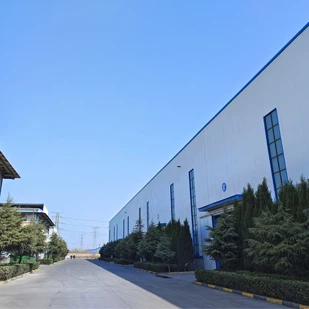
Our factory
Henan Tieyao Trading Co., Ltd., is one of China's leading stainless steel suppliers. We are dedicated to the processing, sales, and service of stainless steel and innovative precision metal materials. With more than 10 years of experience in providing customized solutions for stainless steel strips, foils, coils, plates, pipes, and bars, we have become a trusted partner in the industry.
Our product
Tieyao Stainless Steel company is committed to providing internationally leading high-strength, high-corrosion-resistant, and high-nitrogen stainless steel products, covering austenitic stainless steel, ferritic stainless steel, martensitic stainless steel, duplex stainless steel, special alloys, and nickel-chromium alloys.
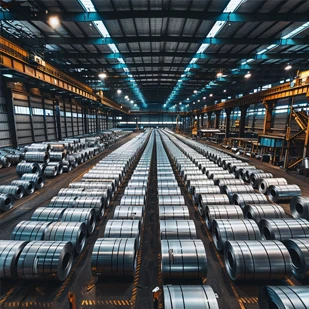
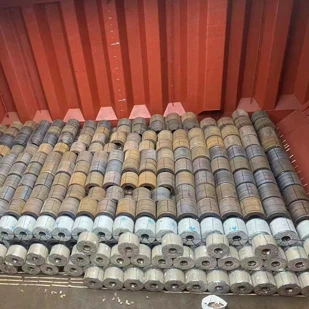
Production market
In addition to having a significant presence in the domestic market, our products are also exported to Europe, Germany, Japan, South Korea, India, Brazil, Saudi Arabia, and other countries and regions.
Quality control
At Tieyao, quality is our top priority. We have implemented a rigorous quality control system that covers every stage of the production process, from raw material selection to final inspection. Our advanced testing facilities and highly skilled quality assurance team ensure that every product meets the highest standards of performance and reliability. We guarantee that our customers receive only the best products, tailored to their specific needs.
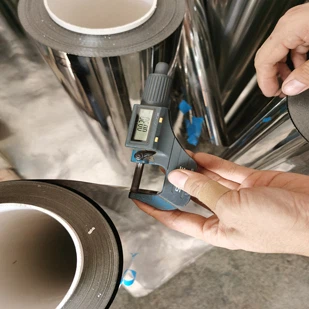
Products gallery

Certifications
We are a partner you can trust to provide the perfect solution for all your stainless steel needs.

QMC

EMC

OHSMS

SGS

SGS

TEST REPORT
we are here for you
Get a Quote for Stainless Steel Today
Send Inquiry