


Stainless Steel Solutions for the Oil and Gas Industry
Stainless steel plays a crucial role in the oil and gas industry, offering durability, resistance to corrosion, and the strength needed to withstand extreme environments. From pipelines and offshore platforms to storage tanks and refinery equipment, high-performance stainless steel solutions support the safe and efficient extraction, transportation, and processing of oil and gas resources.
Stainless steel plates, with their high corrosion resistance and mechanical strength, remain stable in high-salinity, high-pressure, high-temperature, and strong acid or alkali environments. This durability extends equipment life and reduces maintenance costs.
In the natural gas and oil industries, stainless steel pipes are essential due to their high strength, precision, and corrosion resistance. Seamless stainless steel pipes, especially, are critical for oil and gas pipelines, pressure vessels, and various equipment, as their uniform walls, smooth surfaces, and precise dimensions withstand high-pressure, high-temperature conditions. Additionally, their ease of cleaning, low maintenance, and environmental safety make stainless steel pipes valuable for enhancing production safety and efficiency.
Recommended Stainless Steel Grades for the Oil and Gas Industry

316 Stainless Steel
Applications: Ideal for components in wet environments, such as pipelines, fittings, and storage tanks exposed to moisture.
Benefits: Excellent resistance to pitting and crevice corrosion.

Duplex 2205 Stainless Steel
Applications: Offshore platforms, high-stress environments, and components in sour gas applications.
Benefits: Higher strength and durability than standard stainless steel, with great chloride corrosion resistance.

904L Stainless Steel
Applications: Suitable for high-sulfur crude oil environments, refinery components, and storage tanks.
Benefits: Outstanding corrosion resistance, particularly in sulfur-rich environments, making it ideal for demanding refinery applications.

Super Duplex 2507
Applications: Subsea pipelines, offshore rigs, and sour gas applications.
Benefits: Exceptional performance in harsh conditions, withstanding high pressure and temperature.
Mechanical Properties:
| Grade | Tensile Strength (MPa) | Yield Strength (MPa) | Elongation (%) | Corrosion Resistance | Applications |
| 316 Stainless Steel | 515 | 290 | 40 | High | Pipelines, storage tanks, general equipment in wet environments |
| Duplex 2205 | 620 | 450 | 25 | Very High | Offshore platforms, high-stress environments, sour gas applications |
| 904L Stainless Steel | 490 | 220 | 35 | Extreme | Refinery components, high-sulfur crude storage, corrosive environments |
| Super Duplex 2507 | 800 | 570 | 15 | Superior | Subsea pipelines, offshore rigs, environments with chloride exposure |
Advantages of Stainless Steel in the Oil and Gas Industry
Using stainless steel in oil and gas applications offers the following advantages:
Corrosion Resistance
Withstands exposure to saltwater, chemicals, and high-pressure gases, reducing the risk of failure.
Temperature and Pressure Tolerance
Stainless steel can endure extreme temperatures and pressures, suitable for deep-sea and high-pressure drilling.
Longevity and Durability
Offers a longer lifespan compared to other materials, reducing replacement and maintenance costs.
Manufacturer Techniques for Oil and Gas Industry
Producing stainless steel for the oil and gas sector requires advanced manufacturing techniques that ensure product reliability under intense operational conditions:
Seamless and Welded Tubing:
For high-pressure applications, seamless stainless steel tubes are preferred to prevent leaks, while welded tubes are commonly used for lower-pressure needs.
Heat Treatment:
Annealing and tempering improve the mechanical properties and corrosion resistance of stainless steel, ensuring resistance to cracking and corrosion in extreme temperatures. essential for handling high temperatures and pressures in oil and gas operations.
Cold Working:
Cold working increases hardness and tensile strength, important for tubing used in offshore rigs.
Corrosion Protection:
Specialized coatings and treatments, such as passivation, extend stainless steel's life span by enhancing its corrosion resistance.
Surface Finishing:
Polishing and electropolishing create smooth, corrosion-resistant surfaces that reduce the likelihood of contaminants adhering.
For components exposed to harsh chemicals, additional coatings such as epoxy or powder coating provide extra protection against corrosion.
Testing and Inspection:
Every stainless steel component undergoes rigorous testing for quality assurance, including pressure tests, and corrosion resistance tests to ensure safety and reliability.
Case Studies: Stainless Steel in Oil and Gas Applications
Case Study 1: Offshore Oil Rig – Corrosion Resistance and Structural Strength
Challenge: An offshore oil rig in the North Sea faced rapid corrosion of structural and piping components due to exposure to harsh saltwater, high humidity, and variable temperatures. The existing carbon steel materials required frequent repairs and replacements, leading to operational downtime and high maintenance costs.
Solution: Super Duplex 2507 stainless steel was selected for structural components and pipes due to its high corrosion resistance, particularly in environments with high chloride content. Super Duplex 2507 also provides excellent tensile strength, allowing the use of thinner walls without compromising safety or durability.
Outcome: By replacing carbon steel with Super Duplex 2507, the offshore rig experienced a significant reduction in corrosion-related issues, cutting maintenance costs by 35% over three years. The improved resilience led to increased uptime and safety for workers, extending the structure's lifespan and improving overall efficiency.
Case Study 2: High-Temperature Processing Facility – Heat and Corrosion Resistance
Challenge: A refinery processing plant required high-temperature piping and equipment that could withstand aggressive chemicals and gases released during oil refining. Previous alloys corroded quickly, reducing system efficiency and requiring frequent shutdowns for repairs.
Solution: 321 stainless steel, known for its resistance to oxidation at high temperatures, was used for critical piping and equipment in high-heat zones. For components exposed to high-pressure corrosive gases, 904L stainless steel was selected due to its resistance to sulfuric acid and chloride-induced corrosion.
Outcome: The transition to 321 and 904L stainless steels allowed the plant to operate continuously at high temperatures with minimal corrosion-related interruptions. Maintenance intervals increased, and the overall lifespan of the plant equipment improved, leading to cost savings and enhanced production efficiency.
Case Study 3: Deep-Sea Subsea Pipeline – High Strength and Chloride Resistance
Challenge: A subsea pipeline needed to be installed for the transportation of crude oil from a deep-sea well. The pipeline required materials with high strength and chloride resistance to withstand the high-pressure, high-salinity environment of the ocean floor.
Solution: Duplex 2205 stainless steel was selected for the subsea pipeline because of its combination of strength and corrosion resistance in chloride-heavy environments. The higher yield strength of Duplex 2205 also allowed for a reduced wall thickness, minimizing pipeline weight without sacrificing durability.
Outcome: Duplex 2205 proved highly effective for the subsea pipeline, providing a robust solution with minimal corrosion over time. The installation and operation costs were reduced, and the pipeline maintained high performance, even under extreme deep-sea conditions.
Product Selection Guide for Oil and Gas
The selection of stainless steel grades for oil and gas applications should focus on corrosion resistance, heat tolerance, and mechanical strength. Here's a guide to the most suitable stainless steel grades for various oil and gas applications.
1. Stainless Steel Grades for Corrosive Environments
| Stainless Steel Grade | Corrosion Resistance | Best Applications | Advantages |
| 316/316L Stainless Steel | High (especially in chloride environments) | Offshore platforms, oil rigs, storage tanks | Resistant to pitting and crevice corrosion, easy to fabricate |
| Duplex 2205 | Very high | Subsea pipelines, separators, heat exchangers | Combines strength with excellent chloride resistance |
| Super Duplex 2507 | Superior | Deep-sea equipment, high-pressure pipelines | High tensile strength, resistant to pitting and stress corrosion |
Recommendation: For offshore and deep-sea applications, Duplex 2205 and Super Duplex 2507 provide the best resistance to chloride-induced corrosion and mechanical durability.
2. Stainless Steel Grades for High-Temperature and High-Pressure Conditions
| Stainless Steel Grade | Heat Tolerance | Best Applications | Advantages |
| 321 Stainless Steel | Excellent | Refining equipment, high-temperature piping | Oxidation resistance at high temperatures |
| 310 Stainless Steel | Superior | Furnace parts, gas turbines, exhaust manifolds | Exceptional performance under extreme heat |
| 347 Stainless Steel | Good | High-pressure vessels, cracking units | Resistant to intergranular corrosion in high heat |
Recommendation: For high-temperature applications, 321 and 310 stainless steels offer excellent oxidation resistance and durability, ideal for refining and processing plants with elevated temperatures.
3. Stainless Steel Grades for Sour Gas and Hydrogen Sulfide Environments
| Stainless Steel Grade | Sulfide Stress Resistance | Best Applications | Advantages |
| 904L Stainless Steel | Very high | Sour gas service, storage tanks, pipelines | Exceptional resistance to sulfuric and hydrochloric acids |
| AL-6XN Stainless Steel | Superior | Sour gas wells, acid storage tanks | Resistant to stress corrosion cracking and chloride pitting |
Recommendation: 904L and AL-6XN stainless steels are well-suited for environments with high sulfur and acid exposure, commonly found in oil refineries and sour gas extraction sites.
Additional Considerations for Oil and Gas Applications
- Surface Treatments: Specialized surface treatments like pickling, passivation, and coating enhance the durability and corrosion resistance of stainless steel components. These treatments are particularly valuable for subsea and offshore applications where salt and moisture are constant challenges.
- Fabrication and Welding: Welding techniques should consider the potential for sensitization in stainless steel, especially in high-sulfur environments. 316L and other low-carbon grades can prevent intergranular corrosion, ensuring longer-lasting welds and component strength.
- Testing and Certification: Stainless steel used in oil and gas applications often requires compliance with standards like NACE MR0175 for sour gas environments. Ensure selected grades are tested and certified to meet industry safety standards.
Application of 2205 Duplex Stainless Steel
2205 duplex stainless steel is a high-performance material widely used in the oil and gas industry for its exceptional corrosion resistance, strength, and temperature tolerance.
Pipeline Systems
2205 duplex stainless steel is widely employed in the construction of subsea pipelines, onshore pipelines, and oil and gas well casings, owing to its high strength and corrosion resistance. These pipelines must function reliably in high-pressure, high-temperature, and chemically corrosive environments, making 2205 duplex stainless steel an ideal choice for durability and reliability.


Wellhead Equipment
Serving as the primary connection between oil and gas wells and surface facilities, wellhead equipment must withstand the high pressures and temperatures found underground. 2205 duplex stainless steel meets these requirements, also resisting the erosive effects of gases like hydrogen sulfide to ensure long-term stability.
Storage Tanks and Separators
Storage tanks and separators play critical roles in storing and processing oil and gas. 2205 duplex stainless steel is commonly used in their manufacture, as its corrosion resistance helps reduce maintenance costs and prolongs equipment life in the storage and separation of crude oil, natural gas, and water.


Refineries
The high temperature, high pressure, and chemical corrosion common in refining environments make 2205 duplex stainless steel valuable in units like heat exchangers, reactors, and pumps. This steel enhances corrosion and temperature resistance, improving the overall efficiency and safety of the refining process.
Offshore Platforms and Facilities
Offshore oil and gas production imposes demanding requirements on materials due to seawater corrosion and harsh marine environments. 2205 duplex stainless steel is used in platform structures, piping, and equipment, ensuring the safety and cost-effectiveness of offshore production.


Maintenance and Overhaul
Thanks to its superior corrosion resistance, 2205 duplex stainless steel is also crucial in the maintenance of oil and gas facilities. Its use reduces corrosion-related failures, which lowers maintenance expenses and minimizes downtime.
Why Choose Us
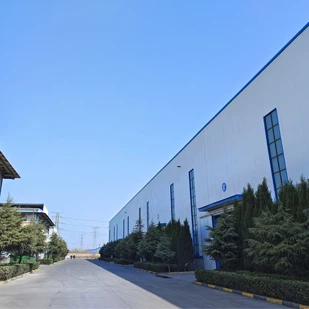
Our factory
Henan Tieyao Trading Co., Ltd., is one of China's leading stainless steel suppliers. We are dedicated to the processing, sales, and service of stainless steel and innovative precision metal materials. With more than 10 years of experience in providing customized solutions for stainless steel strips, foils, coils, plates, pipes, and bars, we have become a trusted partner in the industry.
Our product
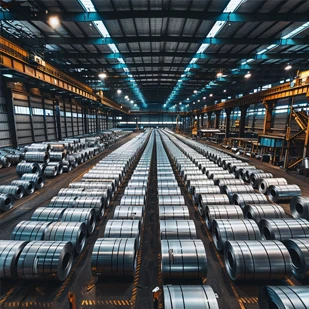
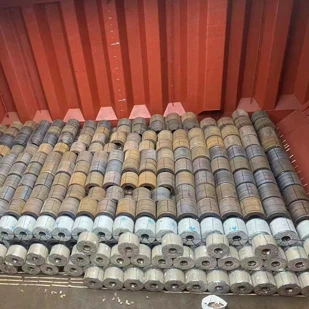
Tieyao Stainless Steel company is committed to providing internationally leading high-strength, high-corrosion-resistant, and high-nitrogen stainless steel products, covering austenitic stainless steel, ferritic stainless steel, martensitic stainless steel, duplex stainless steel, special alloys, and nickel-chromium alloys.
Production market
In addition to having a significant presence in the domestic market, our products are also exported to Europe, Germany, Japan, South Korea, India, Brazil, Saudi Arabia, and other countries and regions.
Quality control
At Tieyao, quality is our top priority. We have implemented a rigorous quality control system that covers every stage of the production process, from raw material selection to final inspection. Our advanced testing facilities and highly skilled quality assurance team ensure that every product meets the highest standards of performance and reliability. We guarantee that our customers receive only the best products, tailored to their specific needs.
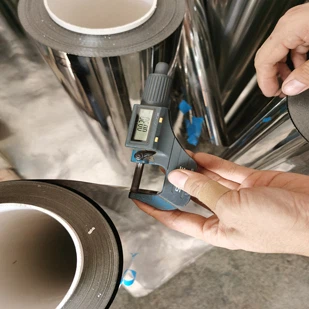
Products gallery

Certifications
We are a partner you can trust to provide the perfect solution for all your stainless steel needs.

QMC

EMC

OHSMS

SGS

SGS

TEST REPORT
we are here for you
Get a Quote for Stainless Steel Today
Send Inquiry