


Stainless Steel Solutions for the Energy and Chemical Industry

Corrosion-Resistant, High-Performance Stainless Steel Materials
Stainless steel is a critical material in the energy and chemical sectors due to its ability to withstand the harsh environments commonly found in these industries. From power plants to chemical processing facilities, stainless steel is used for its strength, resistance to corrosion, and ability to maintain integrity under extreme conditions such as high temperatures and pressures. It ensures long-lasting performance and reduces maintenance costs, making it an essential material for equipment, pipelines, and storage tanks in these industries.
At Tieyao, we offer a wide range of products, including different grades and specifications of stainless steel, precision alloys, high-temperature alloys, and special steels. Our high-performance, corrosion-resistant materials are ideal for applications in petrochemical processing, refineries, and energy production. Enhance the durability and efficiency of your equipment with premium stainless steel components built for the toughest industrial conditions.
High-Quality
Large Inventory
Customized Solutions
Fast Availability
Technical Specifications for Energy and Chemical Stainless Steel
Stainless Steel Grades Commonly Used
Different grades of stainless steel are selected based on the specific demands of energy and chemical applications, including resistance to corrosion, temperature, and pressure.
Stainless steel applications in the energy and chemical industries offer significant advantages, including excellent corrosion resistance, high-temperature stability, high strength and toughness, and good processability, while meeting safety standards and regulatory requirements. These characteristics make it an ideal material for manufacturing equipment and components that ensure reliability and durability in extreme environments.
304 Stainless Steel
A widely used grade in general industrial and power plant applications. It offers good corrosion resistance in mildly acidic environments and is cost-effective for less extreme conditions.
316 Stainless Steel
This grade contains molybdenum, providing superior corrosion resistance, especially in environments where chemical corrosion is a concern. It is commonly used in chemical processing equipment, pipelines, and storage tanks due to its durability in acidic and alkaline environments.
904L Stainless Steel
Known for its exceptional resistance to sulfuric acid and other aggressive chemicals, 904L is ideal for chemical processing plants, refineries, and environments where strong acids are present. Its ability to resist pitting and crevice corrosion makes it suitable for handling highly corrosive substances.
Mechanical Properties:
| Grade | Tensile Strength (MPa) | Yield Strength (MPa) | Elongation (%) | Corrosion Resistance | Best Applications |
| 304 | 505 | 215 | 40 | High | Power plants, general processing |
| 316 | 515 | 290 | 40 | Very High | Chemical processing, pipelines |
| 904L | 490 | 220 | 35 | Extreme | Sulfuric acid handling, refinery equipment |
Manufacturing Techniques for Energy and Chemical Applications
The manufacturing process for stainless steel components used in the energy and chemical industries is critical for ensuring optimal performance in harsh environments. Key techniques include forming, welding, and heat treatment, which are adapted based on the specific grade and application.
Forming and Welding
- 316 Stainless Steel: Widely used in welded pipelines, storage tanks, and chemical processing equipment. Its excellent resistance to both general and localized corrosion makes it suitable for fabricating equipment that will encounter highly acidic or alkaline substances. Welding techniques are carefully controlled to ensure the integrity of the material in corrosive environments.
- 904L Stainless Steel: This grade is more challenging to weld due to its higher alloy content but offers exceptional performance in extreme chemical environments. Specialized welding techniques are used to maintain its corrosion resistance properties after joining.
Heat Treatment
- 904L Stainless Steel: Undergoes specific heat treatments to improve its corrosion resistance in environments with extreme chemical exposure. This process helps the material resist degradation from sulfuric acid and other aggressive chemicals, extending the life of the equipment in which it is used.
These manufacturing techniques are crucial for creating stainless steel products that can endure the rigorous demands of the energy and chemical industries.
Advantages of Stainless Steel in the Energy and Chemical Industry
Corrosion Resistance
One of the most critical advantages of stainless steel is its ability to resist a wide range of corrosive substances, from aggressive chemicals to seawater. Stainless steel grades like 316L and super duplex 2507 are particularly resistant to chloride-induced corrosion, making them ideal for offshore and chemical applications.
Durability and Strength
Stainless steel can endure harsh physical environments, such as high temperatures, mechanical stress, and high pressures. This makes it suitable for use in critical infrastructure, such as pressure vessels, piping systems, and reactors.
High-Temperature Resistance
Many stainless steel grades, such as 321 and 316, retain their mechanical properties at high temperatures, making them perfect for use in boilers, turbines, and heat exchangers in the energy sector.
Longevity and Low Maintenance
Stainless steel offers exceptional longevity, reducing the need for frequent replacements or costly repairs. Its resistance to corrosion means less maintenance is required compared to other metals, leading to lower operational costs.
Safety and Reliability
With stainless steel, the risk of equipment failure due to corrosion, cracking, or material degradation is significantly reduced. This is critical in sectors where safety is a top priority, such as chemical processing and nuclear power plants.
Environmental Sustainability
Stainless steel is 100% recyclable, aligning with the growing focus on sustainability in the energy and chemical industries. By using recyclable materials, companies can reduce their environmental footprint and contribute to greener operations.
Case Studies & Projects
Stainless Steel in the Energy And Chemical Industry



Case Study 1: Stainless Steel in a Chemical Processing Plant
Project Overview
A large chemical processing plant specializing in sulfuric acid production faced frequent equipment failures due to corrosion. The plant required a material that could withstand the highly corrosive nature of sulfuric acid, while minimizing the operational downtime caused by the frequent need for repairs and maintenance.
Challenges:
- Corrosion: Sulfuric acid is one of the most corrosive substances in industrial applications. Conventional materials had proven unable to handle prolonged exposure to the acid, leading to pipe and tank deterioration, leaks, and equipment failures.
- Maintenance Costs: The plant experienced frequent maintenance issues, which increased operational costs due to both repair expenses and production downtime. Equipment failures also posed a safety risk to the workforce and the environment.
- Longevity and Durability: The plant sought a material that would not only resist corrosion but also offer a long service life, reducing the frequency of part replacements and maintenance intervals.
Solution:
After assessing various material options, the plant engineers decided to construct key components, such as pipelines and storage tanks, using 904L stainless steel. This grade of stainless steel was chosen for its superior resistance to sulfuric acid and its ability to withstand the extreme conditions present in chemical processing plants.
- Corrosion Resistance: 904L stainless steel's high nickel and molybdenum content made it an ideal choice for handling sulfuric acid. The material is known for its resistance to pitting and crevice corrosion, ensuring a longer operational lifespan in aggressive environments.
- Heat Treatment: 904L underwent specialized heat treatment to enhance its resistance to corrosion, ensuring that it could endure the challenging conditions of sulfuric acid processing without degrading over time.
Execution:
- Pipelines: The plant's acid transport pipelines were replaced with 904L stainless steel, ensuring reliable movement of the chemical without risk of leaks or failures due to corrosion.
- Storage Tanks: 904L was also used for constructing large storage tanks, which hold sulfuric acid at various stages of processing. The tanks were designed to resist internal corrosion, while also withstanding external environmental factors.
Outcome:
The use of 904L stainless steel significantly improved the plant's overall efficiency. Over a 10-year period, the plant experienced:
- Reduced Downtime: With 904L's extreme resistance to sulfuric acid, equipment failures and leaks were drastically minimized, reducing both maintenance requirements and production stoppages.
- Cost Savings: By reducing the need for frequent repairs and part replacements, the plant saved substantial amounts in maintenance costs and operational downtime.
- Longer Equipment Lifespan: The stainless steel components continued to operate without significant wear, providing a longer-lasting solution that increased the overall lifespan of the plant's infrastructure.
Case Study 2: Offshore Oil Rig Piping System
Challenge:
An offshore oil rig needed to upgrade its existing piping system due to corrosion issues caused by exposure to saltwater and aggressive oil and gas mixtures. The environment demanded materials that could withstand high chloride levels, high pressure, and potential hydrogen sulfide (H₂S) exposure.
Solution:
Duplex 2205 stainless steel was selected for the new piping system. This grade offers excellent resistance to chloride stress corrosion cracking, pitting, and crevice corrosion, while maintaining high strength and ductility. Its higher strength-to-weight ratio allowed for thinner pipes, reducing the total weight of the structure.
Outcome:
The installation of Duplex 2205 stainless steel piping improved the rig's operational efficiency and extended the lifecycle of the piping system, significantly reducing maintenance downtime. The high resistance to corrosion minimized the risk of leaks and failures, ensuring safe and continuous oil and gas extraction operations.
Case Study 3: Power Plant Heat Exchangers
Challenge:
A power plant required heat exchangers that could operate under extreme heat and pressure, while being exposed to cooling water with high chloride content. The challenge was to find a material that could handle both high temperatures and resist corrosion in a moist, chloride-rich environment.
Solution:
316L stainless steel was selected for the heat exchanger tubing. Known for its high corrosion resistance, especially in chloride environments, 316L provided the necessary durability. Its low carbon content also helped prevent sensitization during welding, which can lead to intergranular corrosion.
Outcome:
The power plant experienced improved heat transfer efficiency and reduced corrosion-related downtime after switching to 316L stainless steel heat exchanger tubing. The heat exchangers now require less maintenance, and the overall system operates more reliably under continuous high-temperature conditions.
Custom Stainless Steel Solutions for the Energy and Chemical Industries
Custom Stainless Steel Solutions for the Energy and Chemical Industries
Custom Grades and Surface Treatments
We supply a wide variety of stainless steel grades and offer custom surface treatments such as polishing, passivation, and pickling to enhance corrosion resistance and meet specific operational needs.
Precision Cutting and Forming
Our advanced processing capabilities allow us to cut, bend, and form stainless steel to exact specifications, ensuring components fit perfectly into your existing systems.
Fabrication and Welding
We provide expert fabrication and welding services to create custom stainless steel components, from storage tanks and pressure vessels to complex piping systems.
Fast Delivery and Global Supply Chain
With a robust global supply chain and large inventory, we can meet the demands of your projects efficiently, delivering stainless steel materials wherever they are needed.
FAQ
Why Choose Us
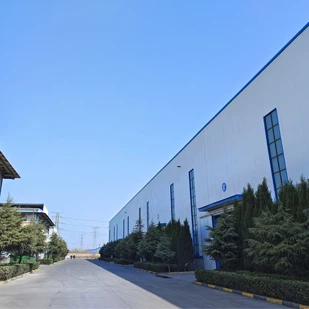
Our factory
Henan Tieyao Trading Co., Ltd., is one of China's leading stainless steel suppliers. We are dedicated to the processing, sales, and service of stainless steel and innovative precision metal materials. With more than 10 years of experience in providing customized solutions for stainless steel strips, foils, coils, plates, pipes, and bars, we have become a trusted partner in the industry.
Our product
Tieyao Stainless Steel company is committed to providing internationally leading high-strength, high-corrosion-resistant, and high-nitrogen stainless steel products, covering austenitic stainless steel, ferritic stainless steel, martensitic stainless steel, duplex stainless steel, special alloys, and nickel-chromium alloys.
Production market
In addition to having a significant presence in the domestic market, our products are also exported to Europe, Germany, Japan, South Korea, India, Brazil, Saudi Arabia, and other countries and regions.
Quality control
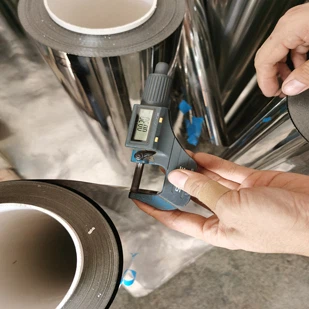
At Tieyao, quality is our top priority. We have implemented a rigorous quality control system that covers every stage of the production process, from raw material selection to final inspection. Our advanced testing facilities and highly skilled quality assurance team ensure that every product meets the highest standards of performance and reliability. We guarantee that our customers receive only the best products, tailored to their specific needs.
Products gallery

Certifications
We are a partner you can trust to provide the perfect solution for all your stainless steel needs.

QMC

EMC

OHSMS

SGS

SGS

TEST REPORT
we are here for you
Get a Quote for Stainless Steel Today
Send Inquiry