


Ferro alloy application
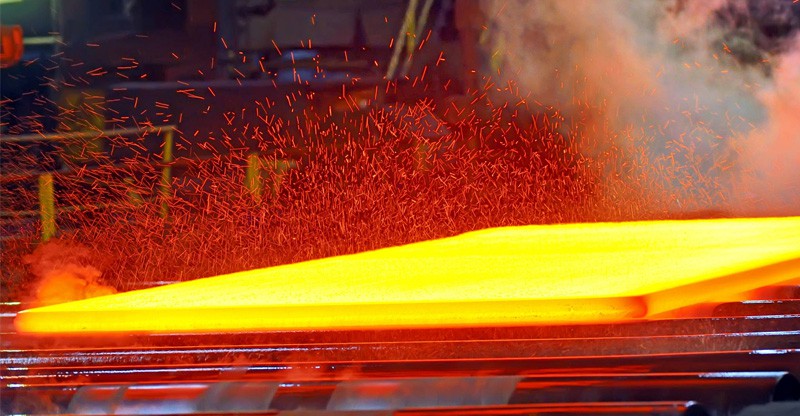
ferro silicon application
Steelmaking: Used as a deoxidizer and alloying agent to improve the strength, hardness, and corrosion resistance of steel.
Foundry Industry: Added to cast iron to enhance its mechanical properties and wear resistance.
Magnesium Production: Acts as a reductant in the production of magnesium metal.
Welding Electrodes: Used in the manufacturing of welding rods and wires.
Alloy cored wire
Steelmaking: Injected into molten steel to adjust composition, improve purity, and enhance mechanical properties.
Foundry Industry: Used for precise addition of alloying elements in cast iron and steel production.
Desulfurization: Helps remove sulfur impurities from molten metal.
Inclusion Control: Improves the cleanliness and quality of steel by controlling non-metallic inclusions.


calcium silicon
Steelmaking: Acts as a deoxidizer, desulfurizer, and inclusion modifier to improve steel quality.
Cast Iron Production: Enhances the fluidity and mechanical properties of cast iron.
Welding Industry: Used in the production of welding materials to improve weld quality.
Special Alloys: Added to certain alloys to enhance their performance in high-temperature applications.
silicon metal
Aluminum Alloys: Used as an additive to improve the strength and fluidity of aluminum alloys.
Chemical Industry: A key raw material for producing silicones, silanes, and other silicon-based chemicals.
Semiconductors: Used in the production of electronic components and solar panels.
Refractories: Added to refractory materials to enhance their thermal and mechanical properties.


silicon carbide
Abrasives: Used in grinding, cutting, and polishing tools due to its extreme hardness.
Refractories: Added to refractory materials for high-temperature applications, such as furnace linings.
Ceramics: Used in the production of advanced ceramics for wear-resistant and high-strength components.
Electronics: Utilized in semiconductors and electronic devices for its thermal conductivity and electrical properties.
Automotive: Used in brake discs and other high-performance automotive parts.
Stainless steel application

Oil and Gas Industry
Pipelines: Stainless steel is used in pipelines for transporting oil and gas due to its resistance to corrosion, especially in harsh environments.
Storage Tanks: It is ideal for storage tanks that hold oil, gas, and other petroleum products.
Offshore Platforms: Stainless steel components are used in offshore drilling platforms because of their durability and ability to withstand marine environments.
Refineries: Equipment such as distillation columns, heat exchangers, and pressure vessels are often made from stainless steel.
Marine Engineering
Shipbuilding: Stainless steel is used in the construction of hulls, decks, and other parts of ships due to its resistance to seawater corrosion.
Submarines: Components such as propeller shafts, ballast tanks, and structural parts benefit from stainless steel's strength and corrosion resistance.
Marine Hardware: Products like fasteners, chains, and anchors are made from stainless steel for their long-lasting performance in marine environments.


Aerospace
Aircraft Components: Stainless steel is used in the manufacture of various aircraft components, including landing gear, exhaust systems, and structural parts, due to its strength-to-weight ratio and resistance to high temperatures.
Spacecraft: It is used in the construction of parts for spacecraft due to its durability and ability to withstand the harsh conditions of space.
Medical
Surgical Instruments: Stainless steel is commonly used for making surgical instruments such as scalpels, forceps, and scissors due to its sterilizability and non-reactivity with body tissues.
Implants: It is used in orthopedic implants like bone screws and plates due to its biocompatibility.
Hospital Equipment: Items such as bed frames, trolleys, and sterilization trays are often made from stainless steel for its easy-to-clean properties and durability.


Electronics and Electrical Appliances
Consumer Electronics: Stainless steel is used in the casings of laptops, smartphones, and other gadgets for its aesthetic appeal and durability.
Electrical Enclosures: It is used to protect sensitive electrical components in industrial settings.
Connectors and Contacts: Stainless steel's excellent conductivity and resistance to wear make it ideal for electrical connectors and contacts.
Construction and Architecture
Structural Components: Stainless steel is used in the construction of buildings, bridges, and monuments for its strength and aesthetic appeal.
Cladding and Facades: It is used in building facades and cladding for its modern appearance and resistance to environmental factors.
Interior Design: Stainless steel is favored for interior applications such as handrails, countertops, and fixtures due to its sleek look and durability.


Automotive Industry
Exhaust Systems: Stainless steel is used in the manufacturing of exhaust systems for its resistance to heat and corrosion.
Trim and Decorative Parts: It is used for trim, grilles, and other decorative parts due to its aesthetic appeal.
Engine Components: Certain engine components benefit from the strength and heat resistance of stainless steel.
Food Industry
Processing Equipment: Stainless steel is used in the manufacturing of food processing equipment including mixers, conveyors, and vats due to its resistance to corrosion and ease of cleaning.
Storage: Stainless steel containers are used for storing food products to prevent contamination and ensure hygiene.
Kitchenware: Cutlery, cookware, and kitchen appliances are made from stainless steel for their durability and resistance to staining.
