


Stainless Steel Solutions for the Automotive Industry

Explore the full range of stainless steel solutions specifically tailored for the automotive industry
In the automotive industry, stainless steel plays a crucial role in ensuring the durability, safety, and efficiency of various components. Its exceptional corrosion resistance, strength, and formability make it the material of choice for exhaust systems, fuel tanks, and structural components. Stainless steel materials offer high strength while being relatively lightweight, absorbing more energy upon impact compared to other metals, which enhances safety performance. Compared to vehicles made from ordinary carbon steel, those made with stainless steel are lighter, have a longer service life, and involve a simpler manufacturing and assembly process. As a result, the global use of stainless steel in the automotive industry is expanding, presenting a vast market potential.
At Tieyao, we offer a wide range of products, including different grades and specifications of stainless steel, precision alloys, high-temperature alloys, and special steels. These materials are available in various forms such as coils, plates, strips, wires, tubes, bars, and profiles, and can be customized according to specific requirements in terms of grade, thickness, width, length, surface finish, hardness, edge shape, and quantity.
Technical Specifications for Automotive Stainless Steel
Stainless Steel Grades Commonly Used
Form: coils, plates/sheets, strips, tubes/pipes, bars, wires, and profiles
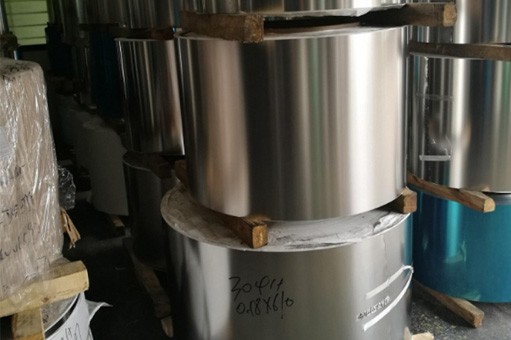
304 Stainless Steel
Known for its excellent corrosion resistance and formability, commonly used in interior trims and fuel systems.
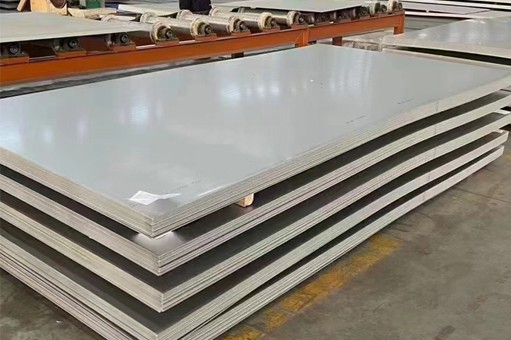
316 Stainless Steel
Provides superior resistance to harsh environments, such as high temperatures and salty road conditions.
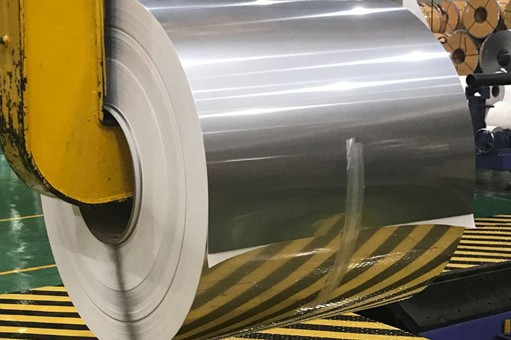
409 Stainless Steel
A cost-effective option often used for exhaust systems due to its good corrosion resistance and high-temperature strength.
Mechanical Properties:
| Grade | Tensile Strength (MPa) | Yield Strength (MPa) | Elongation (%) | Corrosion Resistance | Operating Temperature Range |
| 304 | 505 | 215 | 40 | High | -150°C to 800°C |
| 316 | 515 | 290 | 40 | Very High | -150°C to 870°C |
| 409 | 450 | 250 | 22 | Moderate | -100°C to 675°C |
Stainless steel is widely used in automobile manufacturing due to its excellent corrosion resistance, superior physical properties, and high-quality surface finish. Based on the requirements of different automotive components, the application of stainless steel in the automotive industry can be divided into several key categories: stainless steel for exhaust systems, stainless steel for fuel tanks, stainless steel for automobile frames, stainless steel automotive parts, and stainless steel for decorative elements.
Most of the stainless steel used for automotive exhaust systems is ferritic stainless steel, which is the most commonly utilized type in this application. Components like exhaust pipes, catalytic converter housings, and mufflers require materials that can withstand high temperatures and corrosive gases, making the heat resistance and corrosion resistance of stainless steel crucial.
Common stainless steel grades include 409L and 436L. 409L stainless steel is widely used in automotive exhaust systems due to its excellent heat and corrosion resistance, as well as its relatively low cost.
From an economic perspective, some European and American cars use 0Cr11Ti ferritic stainless steel, while Japan primarily employs ferritic stainless steel with 13Cr to 17Cr or their modified versions.
Fuel tanks made from stainless steel offer excellent corrosion resistance and formability, reducing the risk of fuel leakage and simplifying or eliminating the need for painting. Additionally, stainless steel fuel tanks are easy to recycle, meeting environmental protection requirements.
304L stainless steel is one of the most commonly used materials for fuel tanks, known for its good corrosion resistance and toughness. Ferritic stainless steels such as JFE-SX1 are also used in fuel tanks and other fuel system components due to their high corrosion resistance and formability.
The combination of modular automobile frame design with the excellent properties of stainless steel materials ensures good impact resistance, lightweight construction, high safety, reliability, and longevity.
Grades like 409L, 3Cr12, and 304L are commonly used in automobile frame manufacturing. These stainless steels offer good plasticity, toughness, and formability while maintaining a high strength-to-weight ratio.
Stainless steel is widely used in various automotive parts, such as seals, heat exchangers, brake discs, and brake calipers. These parts must withstand pressure and impact, while also offering good corrosion resistance and wear resistance.
Stainless steel seals are generally made from 301 stainless steel, which provides high temperature resistance, corrosion resistance, and good elasticity. Heat exchangers often use materials like SUS304, SUS430, and SUS409L. For oil cooler plate heat exchangers, 0Cr17 and 0Cr18Ni9 are commonly used.
Common stainless steel grades for automotive fasteners include SUS410, SUS304, SUS316, and SUS430.
Stainless steel is used in various decorative automotive components such as strips, antennas, and wheel covers. In larger vehicles like buses, stainless steel is also used in handrails, safety railings, and hanging bars. To reduce costs, rearview mirrors are typically made from SUS430 stainless steel, while car wipers are often made from SUS430, SUS304, and SUS301. Stainless steel is also used for safety devices such as headlight guards, often made from SUS430.
Automobile frames or entire shells made from stainless steel containing 11% to 12% Cr are commonly used, with grades like 00Cr11Ti and 0Cr11Ni4Ti being typical. In some countries, stainless steel is increasingly used for large buses, coal transport vehicles, and urban subway cars.
Manufacturing Techniques for Automotive Parts
Forming
Stainless steel is highly formable, making it ideal for creating complex automotive components like fuel tanks and exhaust pipes.
Welding
Grades such as 409 and 316 stainless steel are frequently used in welded assemblies like exhaust systems due to their weldability and strength at high temperatures.
Surface Finishing
Polished stainless steel provides a durable and attractive finish for automotive trims, while brushed finishes are often used in structural applications to reduce glare and enhance strength.
Case Study
Choosing the Right Stainless Steel for Your Automotive Project
Case Study 1: Stainless Steel for Battery Enclosures in Electric Vehicles
Challenge:
As electric vehicles (EVs) rise in popularity, automakers are seeking materials that provide both protection and lightweight properties for battery enclosures. These enclosures must protect the battery from impact, thermal runaway, and environmental corrosion.
Solution:
304 stainless steel was selected for the EV battery enclosures due to its excellent formability, corrosion resistance, and durability. The material could be easily manufactured into complex shapes while providing necessary thermal and impact protection.
Outcome:
The use of 304 stainless steel in battery enclosures improved the safety and lifespan of the EV batteries, reducing the overall weight of the vehicle and enhancing energy efficiency. The stainless steel's corrosion resistance also minimized the risk of battery degradation over time, particularly in humid or wet climates.
Case Study 2: Stainless Steel for Exhaust Systems
Challenge:
A major automotive manufacturer required a durable, corrosion-resistant material for their exhaust systems, which are exposed to high temperatures, moisture, and corrosive gases. Traditional materials used for exhaust systems were prone to corrosion and cracking under extreme heat, leading to frequent repairs and replacements.
Solution:
409 stainless steel was selected for its excellent high-temperature corrosion resistance, durability, and cost-effectiveness. This ferritic stainless steel is designed specifically for automotive exhaust systems due to its balance of formability and strength at elevated temperatures.
Outcome:
The use of 409 stainless steel significantly increased the lifespan of the exhaust systems, reducing warranty claims and maintenance costs. The manufacturer also benefitted from the material's formability, which allowed for complex exhaust designs that improved overall vehicle performance and emission control.
Case Study 3: Stainless Steel in Car Frames and Structural Components
Challenge:
As automotive manufacturers moved towards lighter and stronger materials to meet fuel efficiency and safety regulations, a European luxury car brand sought a high-strength material that could reduce vehicle weight without compromising safety or structural integrity.
Solution:
Duplex (DP) stainless steel, particularly 2205 duplex stainless steel, was chosen for its excellent strength-to-weight ratio and superior resistance to stress corrosion cracking. The material's mechanical properties allowed it to absorb impact forces while maintaining structural rigidity, crucial for safety in crashes.
Outcome:
The introduction of 2205 duplex stainless steel into the car's frame resulted in a 20% weight reduction while maintaining high crash safety standards. Additionally, the material's resistance to corrosion led to longer-lasting components, further reducing long-term maintenance costs.
Product Selection Guide for Automotive Engineers
The automotive industry depends on the versatility of stainless steel to meet the increasing demands for safety, performance, and sustainability. By selecting the right stainless steel grades, engineers can improve vehicle efficiency, reduce long-term maintenance, and meet strict environmental regulations. Whether it's exhaust systems, structural components, or electric vehicle innovations, stainless steel offers reliable solutions for today's automotive challenges.
Stainless steel plays a critical role in the automotive industry due to its excellent corrosion resistance, high strength-to-weight ratio, and adaptability to a wide range of applications. The following product selection guide highlights the most suitable stainless steel grades for various automotive components.
1. Stainless Steel Grades for Exhaust Systems
| Stainless Steel Grade | Tensile Strength (MPa) | Yield Strength (MPa) | Corrosion Resistance | Best Applications |
| 409 Stainless Steel | 380 | 170 | High at elevated temperatures | Automotive exhaust systems, mufflers |
| 439 Stainless Steel | 430 | 280 | Superior corrosion resistance | Catalytic converters, emission control systems |
| 304 Stainless Steel | 515 | 215 | Very High | High-performance exhaust systems, flexible bellows |
Recommendations:
- For cost-effective solutions in exhaust systems, 409 stainless steel provides sufficient heat resistance and durability.
- For more aggressive environments with higher corrosion risk (e.g., regions with high road salt usage), 439 stainless steel offers superior corrosion resistance, particularly in catalytic converters.
2. Stainless Steel Grades for Structural Components
| Stainless Steel Grade | Tensile Strength (MPa) | Yield Strength (MPa) | Strength-to-Weight Ratio | Best Applications |
| Dual-Phase 2205 Stainless Steel | 620 | 450 | Excellent | Vehicle frames, crash protection |
| 301 Stainless Steel | 930 | 480 | High | Springs, suspension components |
| AHSS (Advanced High-Strength Steel) | 1200+ | 600+ | Superior | Car body structures, impact zones |
Recommendations:
- For high-strength, lightweight structural components, 2205 duplex stainless steel offers an excellent balance of corrosion resistance and strength-to-weight ratio.
- For energy-absorbing parts such as crash beams, 301 stainless steel provides high tensile strength with good formability.
3. Stainless Steel Grades for Electric Vehicle (EV) Battery Enclosures
| Stainless Steel Grade | Tensile Strength (MPa) | Thermal Conductivity | Corrosion Resistance | Best Applications |
| 304 Stainless Steel | 515 | Moderate | Very High | EV battery enclosures, protective casings |
| 316L Stainless Steel | 485 | Moderate | Superior | Battery trays, corrosive environments |
| 430 Stainless Steel | 450 | Moderate | High | Lower-cost EV battery enclosures |
Recommendations:
- For general-use EV battery enclosures, 304 stainless steel is widely used for its formability and corrosion resistance.
- In more corrosive environments (e.g., coastal regions), 316L stainless steel provides better protection against environmental factors such as salt spray.
4. Stainless Steel Grades for Fasteners and Small Components
| Stainless Steel Grade | Tensile Strength (MPa) | Corrosion Resistance | Best Applications |
| 304 Stainless Steel | 515 | Very High | Fasteners, screws, bolts |
| 410 Stainless Steel | 540 | Moderate | Heat-resistant fasteners, high-stress applications |
| 17-4 PH Stainless Steel | 1000+ | High | High-strength bolts, load-bearing components |
Recommendations:
- For general-purpose fasteners in automotive applications, 304 stainless steel offers a good balance of strength and corrosion resistance.
- For high-stress or high-temperature environments, such as in engine components, 17-4 PH stainless steel provides superior tensile strength.
5. Stainless Steel Grades for Decorative and Trim Applications
| Stainless Steel Grade | Surface Finish | Corrosion Resistance | Best Applications |
| 304 Stainless Steel | Polished, Brushed | Very High | Exterior trims, grills, handles |
| 430 Stainless Steel | Satin, Polished | High | Interior trims, lower-cost decorative parts |
Recommendations:
- For high-end exterior trims and visible components, 304 stainless steel provides excellent corrosion resistance and an attractive polished finish.
- 430 stainless steel is suitable for lower-cost interior components where corrosion resistance is less of a concern.
FAQs for Automotive Applications
Q: What grade of stainless steel is best for automotive exhaust systems?
Q: Can stainless steel reduce vehicle weight without compromising strength?
Q: How does stainless steel handle high temperatures in engine components?
Why Choose Us
We are your trusted partner
Industry Expertise and Innovation
With years of experience supplying stainless steel solutions to the automotive industry, we understand the unique challenges and requirements faced by automotive manufacturers. From lightweighting to corrosion resistance and high-strength materials, our team stays at the forefront of technological advancements to ensure that our products meet the latest industry standards. Our focus on research and development ensures that our stainless steel solutions are designed to enhance performance, safety, and durability in automotive applications.
High-Quality Stainless Steel Products
We supply a wide range of high-performance stainless steel grades, including 409, 304, 316L, and 2205 duplex, tailored specifically for automotive applications. Whether you need materials for exhaust systems, structural components, battery enclosures for electric vehicles, or fasteners, we guarantee that our stainless steel products are of the highest quality. Our materials are rigorously tested to ensure superior corrosion resistance, mechanical strength, and formability, enabling automotive engineers to optimize vehicle designs.
Large Inventory and Fast Availability
We maintain a vast inventory of stainless steel products, ensuring that our automotive clients have quick access to the materials they need, whenever they need them. Our large stock of popular grades, sizes, and finishes allows us to support urgent production requirements and minimize lead times. Whether it's a standard product or a custom specification, our extensive inventory ensures rapid delivery to keep your production lines moving efficiently.
Customized Solutions and Advanced Processing Services
We understand that every automotive manufacturer has unique needs, and we provide customized stainless steel solutions to meet these specific requirements. In addition to offering custom grades, finishes, and surface treatments, we also provide deep processing services such as cutting, welding, bending, and forming, tailored to your exact specifications. This eliminates the need for secondary processing on your end, saving time and reducing costs while ensuring the components are ready for immediate use in your production.
Cost-Effective and Sustainable Solutions
We are committed to providing cost-effective stainless steel options without compromising quality. Our supply chain is optimized to ensure timely delivery and competitive pricing, allowing automotive manufacturers to reduce production costs while maintaining high-quality standards. In addition, we prioritize sustainability by using environmentally friendly production processes and recyclable stainless steel materials, helping automotive companies meet their sustainability goals.
Global Supply and Reliable Logistics
Our extensive global supply network ensures that we can meet the demands of automotive manufacturers anywhere in the world. We are equipped to deliver stainless steel products reliably and on time, supporting large-scale production requirements. Our logistics and support services ensure smooth operations and provide customers with peace of mind, knowing that their supply chain is efficient and dependable.
Technical Support and Engineering Expertise
We offer more than just products; we provide comprehensive technical support to help our automotive clients select the most suitable stainless steel grades for their specific applications. Our engineering team provides detailed guidance on material performance, fabrication techniques, and best practices for utilizing stainless steel in automotive designs. From the initial concept phase through to production, our experts are on hand to ensure the success of your projects.
Commitment to Quality and Compliance
We are dedicated to maintaining the highest quality standards and complying with international regulations and certifications relevant to the automotive industry. Our stainless steel products are manufactured in state-of-the-art facilities that meet ISO 9001 standards, ensuring consistent quality and reliability. We also follow strict quality control measures throughout the production process to ensure that all materials meet the stringent safety and performance requirements of the automotive sector.
Product Gallery

Certifications
We are a partner you can trust to provide the perfect solution for all your stainless steel needs.

QMC

EMC

OHSMS

SGS

SGS

TEST REPORT
we are here for you
Get a Quote for Stainless Steel Today
Send Inquiry