


Stainless Steel Solutions for the Medical Industry
In the medical industry, stainless steel is indispensable due to its exceptional hygiene, corrosion resistance, and mechanical strength. . From surgical instruments and implants to hospital equipment and biomedical devices, stainless steel provides biocompatibility, ease of sterilization, and unmatched durability in healthcare settings. Explore the essential role stainless steel plays in supporting medical applications' safety, efficiency, and effectiveness.

-
Corrosion Resistance
High-grade stainless steel resists rust, corrosion, and staining, even when exposed to sterilization, disinfectants, and bodily fluids.
-
Durability & Strength
Stainless steel withstands high-stress environments, making it ideal for operating rooms and intensive care equipment.
-
Biocompatibility
Non-toxic and biocompatible, stainless steel is safe for direct and indirect patient contact, ensuring safety in implants, tools, and devices.
-
Easy Sterilization
The smooth, non-porous surface of stainless steel ensures easy cleaning and sterilization, supporting stringent medical hygiene standards.
Our Stainless Steel Solutions for the Medical Sector
We specialize in providing tailored stainless steel solutions to meet the specific needs of the healthcare industry, from precision surgical tools to robust hospital infrastructure.
1. Surgical Instruments and Tools
Our stainless steel surgical instruments are designed for precision, comfort, and reliability, providing surgeons with the necessary tools for safe, efficient procedures. Our offerings include:
- Scalpels, scissors, and clamps
- Bone cutters and needle holders
- Surgical trays and sterile containers
2. Medical Equipment Components
Our stainless steel components are crafted to withstand constant usage and sterilization without compromising on quality. Ideal for use in medical devices such as:
- Endoscopy and imaging equipment
- Patient monitoring systems
- Dental and orthodontic tools
3. Hospital and Laboratory Furniture
We provide durable stainless steel furniture solutions that are corrosion-resistant and easy to sanitize, ideal for hospitals, laboratories, and clinics. This includes:
- Operating tables and instrument stands
- Laboratory countertops and cabinets
- Sterile storage solutions
4. Orthopedic Implants and Prosthetics
For orthopedic implants and prosthetics, stainless steel provides a safe, durable solution that integrates well within the human body. Our solutions support various medical applications:
- Bone plates and screws
- Joint replacement components
- Fixation devices and rods
case studies & projects
Application cases of stainless steel in the medical industry
Case Study 1: Surgical Instruments and Tools
Challenge: A leading surgical instrument manufacturer sought materials that could withstand repeated sterilization cycles while maintaining sharpness, resistance to corrosion, and overall structural integrity. Instruments also needed to be biocompatible and non-reactive within the human body.
Solution: Martensitic stainless steel grades, particularly 420 and 440A, were selected for their excellent hardness and wear resistance, allowing for long-lasting edges on cutting tools. These grades also exhibit high corrosion resistance, ideal for sterilization environments involving autoclaving and exposure to cleaning agents.
Outcome: The use of martensitic stainless steel for surgical instruments resulted in prolonged tool life, minimized rusting, and maintained sharpness over time. Instruments also met biocompatibility requirements, ensuring safe usage in a medical environment.
Case Study 2: Implantable Devices
Challenge: A medical device manufacturer required material for orthopedic implants that offered biocompatibility, strength, and resistance to bodily fluids. Additionally, implants needed to exhibit minimal wear over time and avoid causing immune responses or adverse effects within the body.
Solution: 316L stainless steel (low-carbon vacuum-melted) was chosen due to its high purity, corrosion resistance, and smooth surface finish, which reduces friction and wear. The vacuum-melting process ensures a low carbon content, preventing sensitization and enhancing biocompatibility.
Outcome: Implants manufactured with 316L stainless steel demonstrated exceptional compatibility with human tissue and retained their strength and corrosion resistance over time, reducing the risk of post-surgical complications. The smooth surface finish minimized wear, improving the longevity of the implant.
Case Study 3: Medical Sterilization Equipment
Challenge: A hospital sterilization equipment manufacturer required a material that could resist high temperatures and aggressive cleaning agents, such as hydrogen peroxide and chlorine-based solutions, which are necessary for eliminating bacteria and viruses.
Solution: 304 and 316 stainless steels were used in sterilization chambers and storage units. 316 stainless steel provided additional resistance to chlorides, extending the equipment's lifespan and ensuring high durability under frequent exposure to sterilizing chemicals.
Outcome: The use of 304 and 316 stainless steel in sterilization equipment proved to be highly effective, offering strong corrosion resistance and easy cleaning, which ensured compliance with hygiene standards. This extended the service life of sterilization units and reduced the frequency of maintenance.
Recommended Stainless Steel Grades for the Medical Industry

304 Stainless Steel
Properties: Good corrosion resistance, non-magnetic, and highly formable.
Applications: Medical devices, trays, and general-purpose hospital equipment.
Benefits: Easy to clean and resistant to most oxidizing acids, making it ideal for sterile environments.

316L Stainless Steel
Properties: Low carbon content, high corrosion resistance, and good biocompatibility.
Applications: Surgical instruments, implants, and orthodontic appliances.
Benefits: Resistant to pitting and crevice corrosion, especially beneficial for implants and components exposed to bodily fluids.

420 Stainless Steel
Properties: High hardness and wear resistance; can be heat-treated.
Applications: Surgical cutting instruments like scalpels and scissors.
Benefits: Maintains sharpness and edge integrity, essential for precision tools in surgery.

17-4 PH Stainless Steel
Properties: Precipitation-hardened, high strength, and good corrosion resistance.
Applications: Medical device components requiring high durability, such as orthopedic tools and parts.
Benefits: High strength allows for smaller, lighter parts with the same durability, which is crucial for wearable and implantable devices.
Mechanical Properties:
| Grade | Tensile Strength (MPa) | Yield Strength (MPa) | Elongation (%) | Corrosion Resistance | Applications |
| 304 | 515 | 215 | 40 | High | General hospital equipment, trays |
| 316L | 485 | 170 | 40 | Very High | Implants, surgical instruments |
| 420 | 700 | 515 | 18 | Moderate | Scalpels, scissors, cutting tools |
| 17-4 PH | 1200 | 1000 | 10 | High | Orthopedic tools, durable medical devices |
Quality Standards for Medical-Grade Stainless Steel
Our stainless steel solutions meet or exceed the rigorous standards set by global health and safety regulations. We use high-quality materials, such as 304 and 316 stainless steel, which are known for their excellent corrosion resistance and biocompatibility. Our manufacturing processes ensure precise control over material quality, guaranteeing that each product meets strict industry requirements.
Manufacturing Techniques for Medical-Grade Stainless Steel
Manufacturing stainless steel for the medical industry requires precision and strict adherence to quality standards to ensure biocompatibility and performance.
Precision Casting and Machining
Precision casting and CNC machining create detailed, high-accuracy parts, crucial for small surgical tools, implant components, and custom medical devices.
Electropolishing
This electrochemical process enhances surface smoothness, reducing the risk of bacterial buildup and ensuring easy sterilization. Electropolishing is essential for medical instruments and implants.
Laser Cutting and Etching
Laser technology is used to shape and mark medical-grade stainless steel with extreme precision, ideal for small instruments, orthopedic screws, and custom implants.
Heat Treatment
Heat treatment enhances mechanical properties, increasing hardness and wear resistance. This is especially important for high-precision tools like surgical scissors and scalpels.
Product Selection Guide for Medical Engineers
How to Choose the Right Stainless Steel for Your Medical Project


Selecting stainless steel for medical applications requires consideration of properties such as biocompatibility, corrosion resistance, mechanical strength, and resistance to sterilization chemicals. Below is a guide to choosing stainless steel grades best suited for various medical applications.
1. Stainless Steel Grades for Surgical Instruments
| Stainless Steel Grade | Corrosion Resistance | Best Applications | Advantages |
| 420 Stainless Steel | High | Surgical blades, scissors, dental instruments | High hardness, excellent edge retention |
| 440A Stainless Steel | Very high | Cutting tools, scalpels, retractors | Superior wear resistance, maintains sharpness |
| 410 Stainless Steel | Moderate | Forceps, non-cutting instruments | Cost-effective, easy to form and machine |
Recommendation: 420 and 440A are ideal for cutting and surgical tools due to their hardness and corrosion resistance, while 410 provides a good balance of performance and cost for non-cutting tools.
2. Stainless Steel Grades for Implantable Devices
| Stainless Steel Grade | Biocompatibility | Best Applications | Advantages |
| 316L Stainless Steel | Very high | Orthopedic implants, cardiovascular devices | High purity, minimizes risk of immune response |
| 316L Stainless Steel | High | Temporary implants, screws, bone plates | Biocompatible, corrosion-resistant in bodily fluids |
| 317L Stainless Steel | Very high | Long-term implants in chloride-rich environments | Greater resistance to chlorides than 316L |
Recommendation: 316LVM is preferred for permanent implants due to its high purity, while 316L is suitable for temporary implants and 317L offers added protection for implant locations exposed to chlorides.
3. Stainless Steel Grades for Sterilization and Medical Equipment
| Stainless Steel Grade | Heat and Chemical Resistance | Best Applications | Advantages |
| 304 Stainless Steel | High | Sterilization chambers, storage cabinets | Affordable, corrosion-resistant, easy to sanitize |
| 316 Stainless Steel | Very high | Autoclaves, storage tanks, laboratory counters | Enhanced resistance to chlorides and chemicals |
| 317 Stainless Steel | Superior | Chemical processing, high-chloride environments | Excellent resistance to corrosive agents |
Recommendation: 316 and 317 are ideal for sterilization equipment requiring high resistance to chlorides and chemicals, while 304 is a cost-effective option for general medical storage and transport units.
Additional Considerations for Medical Applications
Surface Finish: Polished and passivated finishes are essential in medical applications to prevent bacterial growth. Electropolishing and mechanical polishing create ultra-smooth surfaces, making cleaning and sterilization easier.
Biocompatibility Testing: Stainless steel for implants and internal medical devices must meet biocompatibility standards (e.g., ISO 10993). Grades like 316LVM undergo additional purification processes to minimize impurities and ensure compatibility with body tissues.
Welding and Fabrication: Precision welding and forming are critical for medical applications. Using low-carbon grades, such as 316L and 317L, prevents sensitization during welding, which can compromise corrosion resistance.
Anti-Corrosive Treatments: Passivation treatments enhance corrosion resistance in medical-grade stainless steels. This is essential for materials exposed to sterilization chemicals, saline solutions, and bodily fluids.
Stainless steel plays a crucial role in the medical industry by meeting high standards of safety, biocompatibility, and durability. Grades like 316LVM, 420, 440A, and 304 are used across applications from surgical tools to implants and sterilization units. Each grade provides unique advantages for specific uses, from ensuring sharpness and corrosion resistance in surgical instruments to offering biocompatibility and longevity in implants.
Our range of stainless steel products and expert support can help meet the unique demands of medical engineers and manufacturers, ensuring compliance, safety, and high performance in a challenging, fast-paced industry.
Why Choose Us for Your Stainless Steel Medical Solutions?
With more than 10 years of experience in the medical manufacturing sector, we provide solutions that offer reliability, precision, and trust. Our team works closely with healthcare providers and manufacturers to create customized stainless steel products that meet exacting standards.

Our factory
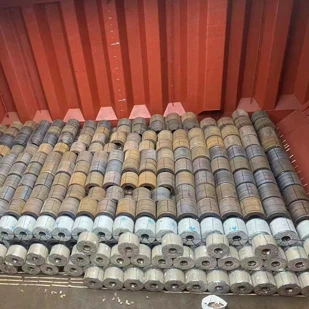
Henan Tieyao Trading Co., Ltd., is one of China's leading stainless steel suppliers. We are dedicated to the processing, sales, and service of stainless steel and innovative precision metal materials. With more than 10 years of experience in providing customized solutions for stainless steel strips, foils, coils, plates, pipes, and bars, we have become a trusted partner in the industry.
Our product
Tieyao Stainless Steel company is committed to providing internationally leading high-strength, high-corrosion-resistant, and high-nitrogen stainless steel products, covering austenitic stainless steel, ferritic stainless steel, martensitic stainless steel, duplex stainless steel, special alloys, and nickel-chromium alloys.

Production market
In addition to having a significant presence in the domestic market, our products are also exported to Europe, Germany, Japan, South Korea, India, Brazil, Saudi Arabia, and other countries and regions.
Quality control
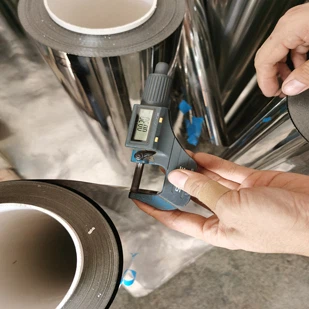
At Tieyao, quality is our top priority. We have implemented a rigorous quality control system that covers every stage of the production process, from raw material selection to final inspection. Our advanced testing facilities and highly skilled quality assurance team ensure that every product meets the highest standards of performance and reliability. We guarantee that our customers receive only the best products, tailored to their specific needs.
Products gallery

Certifications
We are a partner you can trust to provide the perfect solution for all your stainless steel needs.

QMC

EMC

OHSMS

SGS

SGS

TEST REPORT
Contact Us Today
Are you ready to enhance the quality and durability of your medical tools, devices, and infrastructure? Contact us today to discuss how our stainless steel solutions can elevate your healthcare equipment.
Send Inquiry