


Stainless Steel Pipes
Stainless steel pipes are the pipes used for carrying highly chemical gases, corrosive fluids etc. These pipes can also be called corrosive-resistant pipes. Stainless steel comes under the category of high-quality alloy steel as it contains more than 8% elements in it. In other words, an alloy metal pipe is coated with a thin layer of chromium from the outside for protection. Due to this, the internal environment remains unaffected and unharmed by the external environment. These pipes are highly demanding in the market due to their high-quality property and variation in sizes. It has popularity around the globe.
Advantages of Stainless Steel Pipes
Corrosion resistance
Stainless steel pipes are known for their exceptional resistance to corrosion. They can withstand harsh environments,making them an ideal choice for use in chemical processing, oil and gas, and water treatment facilities.
Durability
Stainless steel pipes are strong and durable, making them resistant to damage from impact and vibrations.They are also resistant to deformation and are not prone to cracking, making them long-lasting and low-maintenance.
Versatility
Stainless steel pipes come in a variety of sizes and shapes,making them versatile for different applications. They can be welded or seamless,and can be customized to fit specific needs.
High-temperature resistance
Stainless steel pipes can withstand high temperatures,making them ideal for use in industrial furnaces, boilers, and heat exchangers.


Why Choose Us
Our factory
Henan Tieyao Trading Co., Ltd., established in 2005, is one of China's leading stainless steel suppliers. We are dedicated to the processing, sales, and service of stainless steel and innovative precision metal materials. With 18 years of experience in providing customized solutions for stainless steel strips, foils, and sheets, we have become a trusted partner in the industry.
Our product
Tieyao Stainless Steel company is committed to providing internationally leading high-strength, high-corrosion-resistant, and high-nitrogen stainless steel products, covering austenitic stainless steel, ferritic stainless steel, martensitic stainless steel, duplex stainless steel, special alloys, and nickel-chromium alloys. We offer a wide variety of products, including different grades and specifications of stainless steel, precision alloys, high-temperature alloys, and special steels in the form of wires, tubes, bars, strips, and profiles.
Production market
In addition to having a significant presence in the domestic market, our products are also exported to Europe, Germany, Japan, South Korea, India, Brazil, Saudi Arabia, and other countries and regions.
Quality control
At Tieyao, quality is our top priority. We have implemented a rigorous quality control system that covers every stage of the production process, from raw material selection to final inspection. Our advanced testing facilities and highly skilled quality assurance team ensure that every product meets the highest standards of performance and reliability. We guarantee that our customers receive only the best products, tailored to their specific needs.
Types of Stainless Steel Pipe
Seamless pipe
A seamless pipe is a pipe that does not contain any seams or weld joints. It’s capable of standing up to intense levels of pressure and also temperatures thanks to the metal itself. It’s used in a wide variety of different oil and gas applications, but they are also used in mechanical and engineering industries too. This makes seamless pipes rather versatile and they are always inspected with high levels of precision to ensure the quality of the material.
Welded pipe
Welded pipes can be used in virtually every industry thanks to its flexibility. However, they fare better in corrosion resistance as opposed to withstanding pressure. Because of the materials used and the lightweight nature of welded pipes, they’re far more cost-effective than most other piping methods and offer the best value for your money.
Flanges
Pipe flanges are another important part of your overall piping setup. These come in many forms such as slip-ons, blinds, lap joints, threaded and semis. These are made from durable and sturdy materials to ensure their reliability and high-quality products are always used when creating pipe flanges.
Spectacle blinds
For permanent or long-term solutions that allow for isolation of piping sections, spectacle blinds, spades and spacers are used for convenience. If a piece of machinery or piping section needs to be inspected, then spectacle blinds are used so that you can isolate a certain part of the piping in order to maintain a larger system. Since this is an incredibly important role that is crucial to your safety, it’s recommended to rigorously test the reliability of your spectacle blinds if you want to remain safe.
Stainless Steel Pipe Sizes
1 inch stainless steel pipe
1 inch stainless steel pipes are a common choice in a variety of industrial applications because of their superior performance and versatility. This pipe is constructed from top-grade stainless steel, which is renowned for its outstanding corrosion resistance, durability, and strength. One of the key benefits of using 1 inch stainless steel pipe is its outstanding ability to resist corrosion. Stainless steel is renowned for its ability to withstand rust and other forms of corrosion, making it an ideal choice for use in harsh environments where traditional pipes quickly deteriorate.
2 inch stainless steel pipe
The 2-inch stainless steel pipe is a top-notch, corrosion-resistant pipe that is well-suited for a wide range of industrial and commercial applications. It is constructed from premium grade 304 or 316 stainless steel, ensuring exceptional durability and longevity. With its sleek and robust design, the 2 inch stainless steel pipe offers superior strength and stiffness, making it an excellent choice for handling high pressure and corrosive fluids.
3 inch stainless steel pipe
The 3 inch stainless steel pipe is a robust and reliable solution for various industrial and commercial applications. Constructed from high-grade 304 or 316 stainless steel, it offers exceptional resistance to corrosion and scaling, making it suitable for handling corrosive fluids and gases.
304 stainless steel pipe
304 stainless steel pipe is widely used in multiple industries due to its exceptional corrosion resistance and durability. A grade of austenitic stainless steel offers good formability, weldability, and corrosion resistance.
316 stainless steel pipe
Its versatility and strength are ideal for various applications, from structural supports to fluid transport systems. Recognized for its resistance to pitting and crevice corrosion, 316 stainless steel pipe maintains its integrity in harsh conditions, ensuring long-lasting performance. Its high nickel and molybdenum content enhances its alloys’ overall resistance, making it a top choice for demanding environments. Whether in oil and gas pipelines or food processing equipment, 316 stainless steel pipe provides reliability and safety.

Application of Stainless Steel Pipes
Construction and architecture
Stainless steel pipes are used in building and architectural applications for water supply, drainage, hvac systems, and structural elements. They are also used for handrails, guardrails, and other decorative elements due to their aesthetic appeal and corrosion resistance.
Oil and gas industry
Stainless steel pipes are used in the oil and gas industry for transporting crude oil, natural gas, and refined products. They are also used in offshore platforms, subsea pipelines, and refineries due to their resistance to corrosive environments.
Chemical and petrochemical industry
Stainless steel pipes are widely used in chemical processing plants and petrochemical facilities due to their resistance to various corrosive chemicals and high temperatures.
Food and beverage industry
Stainless steel pipes are used in food and beverage processing plants for transporting liquids, gases, and other materials. They are preferred because they do not react with food and are easy to clean and maintain.
Water and wastewater treatment
Stainless steel pipes are used for water supply, distribution, and sewage treatment due to their corrosion resistance and ability to handle various water qualities.
Pharmaceutical industry
Stainless steel pipes are used in pharmaceutical manufacturing for transporting chemicals, gases, and liquids in a sterile environment.
Automotive industry
Stainless steel pipes are used in exhaust systems, mufflers, and catalytic converters due to their high-temperature resistance and durability.
Aerospace industry
Stainless steel pipes are used in aerospace applications for hydraulic and pneumatic systems, fuel lines, and structural components due to their strength-to-weight ratio and resistance to extreme conditions.
Marine industry
Stainless steel pipes are used in shipbuilding and marine applications for piping systems, handrails, and structural components due to their resistance to saltwater corrosion.
Medical industry
Stainless steel pipes are used in medical equipment, devices, and instruments due to their biocompatibility and corrosion resistance.
Corrosion resistance
Stainless steel pipes are known for their excellent corrosion resistance, which makes them ideal for use in a wide range of industries, including food processing, chemical processing, and water treatment. When purchasing stainless steel pipes, it's important to ensure that the grade of stainless steel is appropriate for the specific application and environment in which it will be used.
Strength and durability
Stainless steel pipes are known for their strength and durability, but different grades of stainless steel have varying levels of strength and hardness. When purchasing stainless steel pipes, it's important to consider the level of strength and durability required for the specific application.
Size and thickness
Stainless steel pipes come in a range of sizes and thicknesses, and the size and thickness required will depend on the specific application. When purchasing stainless steel pipes, it's important to consider the diameter, wall thickness, and length required for the specific application.
Welding
Stainless steel pipes can be welded using a variety of techniques, but some grades of stainless steel are more difficult to weld than others. When purchasing stainless steel pipes, it's important to consider the welding requirements and ensure that the grade of stainless steel selected is suitable for the specific welding technique to be used.
Cost
Stainless steel pipes can be more expensive than other materials, but they offer a range of benefits that make them a cost-effective choice in many applications. When purchasing stainless steel pipes, it's important to consider the overall cost of the project, including the cost of the pipes themselves, installation, and maintenance.
Quality
It is always important to check for quality because it can not be compromised at any cost. To look for cheaper rates, people tend to fall for low quality which causes problematic situations. It is hence always better to only go for good quality stainless steel pipe as any casualties and problems can be avoided. Good quality stainless steel pipe will have increased durability and better outcome.
Certification and standardisation
Products with standardisation and certification mark the best quality and performance compared to those that come without one. Standardised products go through several tests to fetch certifications and provide you with a guarantee and if something happens you can always go and your complaints will be heard whereas the one with none will have no guarantee and it will not work for you in the long run.
Routine cleaning
To carry out routine cleaning of stainless steel pipes, you can clean them with soap, mild detergent, or ammonia solutions in warm water. You can apply any of these agents with a soft cloth or nylon sponge. After this, you need to rinse and dry it with a soft cloth. It helps to remove ordinary soiling. While cleaning stainless steel, use mild non-scratching abrasive powders, and avoid using standard carbon steel brushes or steel wool. It can leave articles embedded on the surface, which can trigger rusting.
Solvent cleaning
You can use organic solvents to remove stains that are fresh and have not yet oxidized or decomposed. The solvent should not contain chlorine, like acetone, methyl alcohol, and mineral spirits. You can immerse smaller articles into the solvents or use the vapor cleaning method to control the discharge of solvents. Wipe it post-cleaning.
For moderate soiling
You can use a mild abrasive cleaner for moderate soiling and light staining and use a soft cloth, nylon scouring pad, or a soft bristle brush. In the direction of the polished finish, use the material to make long, even strokes. You need to avoid using a circular rubbing action. After you clean it, you need to rinse and dry-wipe to complete the process and remove water stains.
For heavier soiling
For more intense staining and heavy soiling, you can use ammonia solution or warm/hot detergents. You can also use acidic cleaners and follow the cleaning procedures mentioned for moderate soiling.
Passivating treatment
To maximize the corrosion resistance capability of stainless steel and remove surface contaminants, you can use the passivation treatment. First, you need to clean the stainless steel surface thoroughly and remove the pollutants. After this, you need to enter the metal in a passivating acid bath. Depending on the chromium content and the machinability properties of the stainless steel grade, the nature of the passivation treatment will vary.
Henan Tieyao Trading Co., Ltd., established in 2005, is one of China's leading stainless steel suppliers. We are dedicated to the processing, sales, and service of stainless steel and innovative precision metal materials. With 18 years of experience in providing customized solutions for stainless steel strips, foils, and sheets, we have become a trusted partner in the industry.
Tieyao Stainless Steel company is committed to providing internationally leading high-strength, high-corrosion-resistant, and high-nitrogen stainless steel products, covering austenitic stainless steel, ferritic stainless steel, martensitic stainless steel, duplex stainless steel, special alloys, and nickel-chromium alloys. We offer a wide variety of products, including different grades and specifications of stainless steel, precision alloys, high-temperature alloys, and special steels in the form of wires, tubes, bars, strips, and profiles.
Products are widely used in high-end manufacturing fields such as aerospace, aviation, petroleum, marine, shipbuilding, power plants, heavy machinery, instruments, medical devices, chemicals, automotive, and electronics. In addition to having a significant presence in the domestic market, our products are also exported to Europe, Germany, Japan, South Korea, India, Brazil, Saudi Arabia, and other countries and regions. We are dedicated to providing comprehensive, cost-effective customized material solutions to ensure our products meet the high standards and diverse needs of our customers.


Certifications
We are a partner you can trust to provide the perfect solution for all your stainless steel needs.

QMC
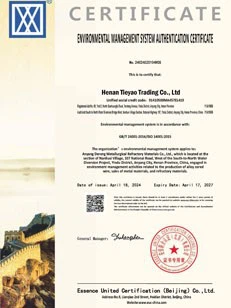
EMC

OHSMS

SGS
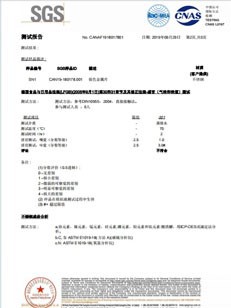
SGS

TEST REPORT