


Stainless Steel Strips
What Is Stainless Steel Strips
Provide customized solutions for stainless steel strips

stainless steel strips suppliers
Stainless steel strip refers to a thin material cut from a stainless steel plate in a cold-rolled state, with a thickness of 0.1mm-3mm. It is a high-performance metal material made from high-carbon steel or alloy steel after processing and treatment, featuring a smooth, bright surface with excellent anti-rust and anti-oxidation properties.
Stainless steel offers high corrosion resistance, high strength, high nitrogen content, high thermal stability, and excellent processing performance. It includes various materials such as austenitic, ferritic, martensitic, and duplex stainless steels, special alloys and nickel-chromium alloys.
Stainless steel strip is widely used in industries such as oil and gas, chemical processing, food production, medical equipment, construction, and electronics and electrical applications.
stainless steel strip specification
| Products name | Stainless steel strip | ||
| Grade | 201/202/304/304L/316/316L/316Ti/321/420/430/904L/2507/2205/17-7PH etc. | ||
| Standard | ASTM A240/A240M, JIS, AISI, GB, DIN ,EN, etc | ||
| Thickness | 0.1mm - 3.0mm | ||
| Width | 1.0mm-600 mm, Custom widths available | ||
| Length | Coil or Customized according to customer requirements | ||
| Surface Finish | 2B, BA, 2H, No. 1, No. 4, 6K, 8K, HL, Mirror, Polishing Bright, etc | ||
| Edge | Mill Edge, Slit Edge, Deburred Edge, Round Edge, V Type Edge | ||


Advantages of Stainless Steel Strips
We provide comprehensive, cost-effective customized material solutions to ensure our products meet the high standards and diverse needs of our customers.

High corrosion resistance
Stainless steel strip has excellent corrosion resistance and can be used for a long time in various environments, especially in corrosive environments such as chemicals or marine environments. The corrosion resistance is mainly due to the passive film formed on the surface that effectively prevents the erosion of corrosive substances.
Good high-temperature performance
It has good high-temperature performance that can be used for a long time at high temperatures. This makes it widely used in high-temperature equipment manufacturing such as chemical reactors, boilers, etc. In addition, the thermal conductivity of stainless steel strips is also good and can effectively transmit heat.

Good processing properties
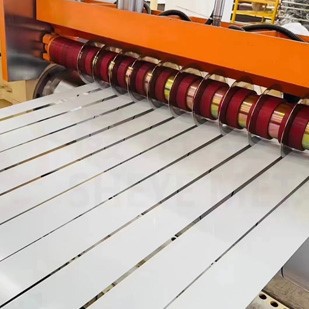
It has good processing properties and can be processed by various methods such as stamping, bending, welding, etc. After processing, the surface of the stainless steel strip can still maintain a smooth appearance with good aesthetic quality. This makes stainless steel strips widely used in the manufacture of various products such as kitchenware, medical equipment, electronic devices, etc.
Good mechanical properties
It has good mechanical properties with high strength and hardness, which allows it to withstand certain loads. In addition, stainless steel strip also has good plasticity and toughness that can withstand impact and vibration without breaking. This makes it widely used in various applications such as automotive components, building decoration, etc.

Why Choose Us
Our factory
Henan Tieyao Trading Co., Ltd., established in 2005, is one of China's leading stainless steel suppliers. We are dedicated to the processing, sales, and service of stainless steel and innovative precision metal materials. With 18 years of experience in providing customized solutions for stainless steel strips, foils, and sheets, we have become a trusted partner in the industry.
Our product
Tieyao Stainless Steel company is committed to providing internationally leading high-strength, high-corrosion-resistant, and high-nitrogen stainless steel products, covering austenitic stainless steel, ferritic stainless steel, martensitic stainless steel, duplex stainless steel, special alloys, and nickel-chromium alloys. We offer a wide variety of products, including different grades and specifications of stainless steel, precision alloys, high-temperature alloys, and special steels in the form of wires, tubes, bars, strips, and profiles.
Production market
In addition to having a significant presence in the domestic market, our products are also exported to Europe, Germany, Japan, South Korea, India, Brazil, Saudi Arabia, and other countries and regions.
Quality control
At Tieyao, quality is our top priority. We have implemented a rigorous quality control system that covers every stage of the production process, from raw material selection to final inspection. Our advanced testing facilities and highly skilled quality assurance team ensure that every product meets the highest standards of performance and reliability. We guarantee that our customers receive only the best products, tailored to their specific needs.
Stainless steel strips can be classified into austenitic, martensitic, ferritic, and duplex types. Among them, austenitic stainless steel is the most common type, which has good corrosion resistance and processing properties and is widely used in food, chemicals, and medical equipment industries. Martensitic stainless steel has high strength and hardness, good wear resistance, and is widely used in the manufacture of cutting tools, springs, and other components. Ferritic stainless steel has good corrosion resistance and high-temperature performance and is used for automotive components and high-temperature equipment. Duplex stainless steel has good corrosion resistance and strength and is widely used in the manufacture of petrochemical equipment and other fields.
Stainless steel strips can also be classified into chrome-based stainless steel, chrome-nickel stainless steel, and chrome-manganese stainless steel. Chrome-based stainless steel contains high chrome content and has good corrosion resistance and processing properties, which are widely used in the manufacture of tableware, medical equipment, and other applications. Chrome-nickel stainless steel contains high chrome and nickel content, has good corrosion resistance and high-temperature performance, and is widely used in the manufacture of chemicals, petroleum, and other industries. Chrome-manganese stainless steel contains high chrome and manganese content, has good strength and hardness, and wear resistance, and is widely used in the manufacture of cutting tools, springs, and other components.
Applications of Stainless Steel Strips
Applications in manufacturing
In the manufacturing sector, stainless steel strip is used in a variety of ways. It is commonly employed in the production of springs, washers, and gaskets due to its high strength and resistance to fatigue. Additionally, stainless steel strip is used in the creation of flexible connectors, bellows, and expansion joints, which require materials that can withstand repeated movement and stress.
Role in food and beverage industry
In the food and beverage industry, stainless steel strip is used to manufacture equipment and machinery that come into direct contact with food products. Its non-reactive nature ensures that it does not contaminate food, making it a safe choice for processing and packaging. Stainless steel strip is used in the production of conveyor belts, storage tanks, and food-grade containers, among other applications. Stainless steel strip suppliers ensure that their products comply with food safety standards, providing materials that are hygienic and easy to clean.

Use in construction and architecture
Stainless steel strip also plays a significant role in the construction and architectural industries. It is used in the creation of cladding, roofing, and structural components, offering both aesthetic appeal and functional benefits. The corrosion resistance and strength of stainless steel strip make it ideal for use in building facades, ensuring longevity and minimal maintenance. Stainless steel strip suppliers provide materials that meet the specific requirements of construction projects, ensuring high performance and durability.
Electrical and electronics applications
Stainless steel strip is also utilized in the electrical and electronics industries. It is used in the production of shielding, connectors, and various electronic components that require high conductivity and resistance to corrosion. The precision and reliability of stainless steel strip make it an essential material in the manufacturing of electronic devices, ensuring optimal performance and longevity.
How to cut stainless steel strip?
Choosing the right tools and equipment
The first step in cutting stainless steel strip is to ensure you have the appropriate tools and equipment. This includes high-speed steel or carbide-tipped cutting blades designed specifically for stainless steel. Stainless steel strip suppliers often provide recommendations on compatible cutting tools.
Preparation for cutting
Before starting the cutting process, it’s crucial to properly mark the stainless steel strip. Use a marker or scribe to indicate the cutting line accurately. Additionally, ensure the work area is clean and free from debris that could interfere with the cutting process.
Cutting techniques for stainless steel strip
When cutting stainless steel strip, several techniques can be employed. For thin strips, a sharp utility knife or a metal shear can be used. For thicker rods, a band saw, circular saw, or waterjet cutter may be more suitable. Each method has its own advantages and considerations.
Considerations for optimal cutting
To achieve optimal cutting results, it’s important to control the speed and pressure applied during the cutting process. Excessive force or too fast a cutting speed can lead to deformed edges or tool damage. Additionally, using coolant or lubricant can help reduce heat build-up and improve the cutting efficiency.
Post-cutting considerations
After cutting, it’s essential to deburr and clean the edges of the stainless steel rod. This ensures a smooth finish and removes any sharp edges that could pose a safety hazard. Additionally, storing the cut strips in a dry and protected environment prevents rust and corrosion.
Sourcing quality stainless steel strip
Lastly, remember that the quality of the stainless steel strip you use directly impacts the cutting process. It’s essential to source your stainless steel rod from reliable stainless steel suppliers who provide consistent material quality and customer support.
How to make a stainless steel strip?
Sourcing raw materials
The journey of a stainless steel strip begins with sourcing the raw materials. Stainless steel strip suppliers typically procure high-quality raw materials from reputable stainless steel suppliers. These materials include iron ore, chromium, nickel, and other alloying elements that are essential for producing stainless steel.
Melting and casting
Once the raw materials are sourced, they are melted together in a furnace to form a homogeneous molten metal. This step is critical as it determines the basic composition of the stainless steel. The molten metal is then cast into large slabs or billets, which will be further processed into strips.
Hot rolling
After casting, the next step in making a stainless steel strip is hot rolling. The slabs or billets are heated to a high temperature and passed through a series of rolling mills. This process reduces the thickness of the metal and extends its length, transforming it into a long strip.
Pickling and annealing
Following hot rolling, the stainless steel strip undergoes pickling and annealing processes. Pickling involves immersing the strip in a chemical bath to remove scale and impurities from the surface. This step is essential to achieve a clean and smooth surface.
Cold rolling
Cold rolling is a crucial step in producing stainless steel strips with precise dimensions and superior surface finish. During cold rolling, the annealed strip is passed through a series of rollers at room temperature. This process further reduces the thickness and increases the length of the strip.
Surface finishing
Surface finishing is an important aspect of stainless steel strip production, as it determines the aesthetic appeal and corrosion resistance of the final product. Stainless steel strip suppliers offer various surface finishes, such as brushed, mirror, and matte finishes, depending on the application requirements.
Slitting and cutting
Once the stainless steel strip has undergone surface finishing, it is slit and cut to the required dimensions. Slitting involves cutting the strip into narrower widths using precision slitting machines. This step is crucial for producing strips that meet specific width requirements for different applications.
Quality control and testing
Throughout the entire manufacturing process, stringent quality control measures are in place to ensure that the stainless steel strip meets the required specifications. This includes testing for mechanical properties, chemical composition, surface finish, and dimensional accuracy.
Different Techniques To Clean Stainless Steel Strips Surfaces
Stainless steel strips cleaners
If you don't know, there are stainless steel strips cleaners specially designed to clean stainless steel strips surfaces. Just visit a departmental store near you and you will find them. However, there is one serious issue with such cleaners. Most of the cleaner manufacturers use chlorine as an ingredient that can damage the stainless steel strips surface. You need to ensure that the cleaner you purchase does not contain chlorine. Clean the surface with the cleaner and a towel and once all the fingerprints and stains are cleaned off, the surface will shine like from day one. It is to be noticed that experts don’t recommend such cleaners to clean the stainless steel strips surfaces as these toxic cleaners have more disadvantages than benefits they offer.
Water or vinegar
If you are looking for a home remedy to clean stainless steel strips surfaces, there is a simple one that is almost free. All you need is warm water, a detergent soap, and a clean soft cloth. Mix the water with the soap and gently apply with a soft cloth onto the surface. Sometimes, you might use vinegar instead of soap. It is one of the most used methods that does not also harm the stainless steel strips surface. It will remove all the fingerprints, stains and dirt from the surface which will shine again.
Wd-40
It is a relatively new method to clean stainless steel strips surfaces and offers superior shining compared to other methods. If you are using wd-40, you don't have to use a soap and water afterward. Furthermore, one useful benefit of using wd-40 is that it creates a layer of protection to prevent fingerprints. One thing that you need to ensure is to not spray it on the surfaces that come into direct contact with edibles.
Window cleaners
It generally amuses everyone to use window cleaner for stainless steel strips surfaces. However, window cleaners are used to clean stainless steel strips surfaces, especially to clear fingertips from the surfaces. There is one precaution to be taken: Don’t spray it directly to the surface as it might cause drip marks on the surface. Use a cloth.Stainless steel strips cleaners
If you don't know, there are stainless steel strips cleaners specially designed to clean stainless steel strips surfaces. Just visit a departmental store near you and you will find them. However, there is one serious issue with such cleaners. Most of the cleaner manufacturers use chlorine as an ingredient that can damage the stainless steel strips surface. You need to ensure that the cleaner you purchase does not contain chlorine. Clean the surface with the cleaner and a towel and once all the fingerprints and stains are cleaned off, the surface will shine like from day one. It is to be noticed that experts don’t recommend such cleaners to clean the stainless steel strips surfaces as these toxic cleaners have more disadvantages than benefits they offer.
Water or vinegar
If you are looking for a home remedy to clean stainless steel strips surfaces, there is a simple one that is almost free. All you need is warm water, a detergent soap, and a clean soft cloth. Mix the water with the soap and gently apply with a soft cloth onto the surface. Sometimes, you might use vinegar instead of soap. It is one of the most used methods that does not also harm the stainless steel strips surface. It will remove all the fingerprints, stains and dirt from the surface which will shine again.
Window cleaners
It generally amuses everyone to use window cleaner for stainless steel strips surfaces. However, window cleaners are used to clean stainless steel strips surfaces, especially to clear fingertips from the surfaces. There is one precaution to be taken: Don’t spray it directly to the surface as it might cause drip marks on the surface. Use a cloth.
Henan Tieyao Trading Co., Ltd., established in 2005, is one of China's leading stainless steel suppliers. We are dedicated to the processing, sales, and service of stainless steel and innovative precision metal materials. With 18 years of experience in providing customized solutions for stainless steel strips, foils, and sheets, we have become a trusted partner in the industry.
Tieyao Stainless Steel company is committed to providing internationally leading high-strength, high-corrosion-resistant, and high-nitrogen stainless steel products, covering austenitic stainless steel, ferritic stainless steel, martensitic stainless steel, duplex stainless steel, special alloys, and nickel-chromium alloys. We offer a wide variety of products, including different grades and specifications of stainless steel, precision alloys, high-temperature alloys, and special steels in the form of wires, tubes, bars, strips, and profiles.
Products are widely used in high-end manufacturing fields such as aerospace, aviation, petroleum, marine, shipbuilding, power plants, heavy machinery, instruments, medical devices, chemicals, automotive, and electronics. In addition to having a significant presence in the domestic market, our products are also exported to Europe, Germany, Japan, South Korea, India, Brazil, Saudi Arabia, and other countries and regions. We are dedicated to providing comprehensive, cost-effective customized material solutions to ensure our products meet the high standards and diverse needs of our customers.


Certifications
We are a partner you can trust to provide the perfect solution for all your stainless steel needs.

QMC
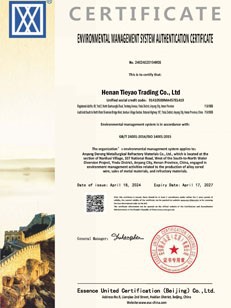
EMC
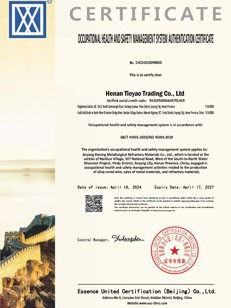
OHSMS

SGS

SGS
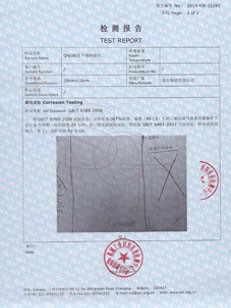
TEST REPORT