


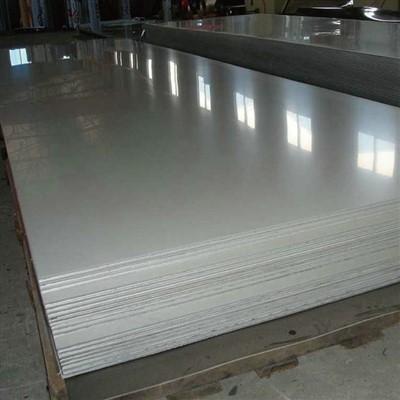
420 Stainless Steel Strip
420 stainless steel is a martensitic stainless steel with high carbon content that can be hardened by heat treatment to achieve excellent strength and hardness. It is known for its ability to be polished to a mirror finish and is commonly used in applications requiring high wear resistance and sharp cutting edges.

Specifications
Composition: 420 stainless steel typically contains 12.0% to 14.0% chromium, with carbon content ranging from 0.15% to 0.40%. Other elements such as manganese, silicon, phosphorus, sulfur, and nickel are present in small quantities.
Dimensions: Available in a wide range of thicknesses (e.g., 1.5 mm to 4.5 mm) and widths (varying depending on the application).
Surface Finish: Common finishes include 2B, BA, and other customer-specified finishes.
Properties
Mechanical Properties:
Tensile Strength: Typically ranges from 600 to 900 MPa, depending on heat treatment.
- Yield Strength: Ranges from 500 to 700 MPa.
- Hardness: Can be achieved up to 28 to 30 HRC (Rockwell Hardness) through appropriate heat treatment.
- Elongation: Relatively low, typically 10% to 20%.(annealed condition)
- Corrosion Resistance: Good corrosion resistance due to the chromium content. performs well in environments where low or moderate corrosion is expected. Not suitable for severe corrosive environments.
- Heat Treatment: Can be hardened by quenching and tempering. Typical heat treatment involves heating to 980-1035°C, followed by quenching in oil or air, and then tempering at 150-370°C.
- Formability: Good formability in the annealed condition but becomes less ductile after hardening.
- Weldability: Can be welded, but preheating and post-weld heat treatment are recommended to avoid cracking.
Applications
Type 420 stainless steel strip is valued for its high hardness and strength after heat treatment, making it suitable for applications requiring sharp cutting edges and high wear resistance. Its moderate corrosion resistance and ability to be polished to a mirror finish make it a popular choice in cutlery, surgical instruments, and industrial tools.
- Cutlery: Widely used in the manufacture of knives, scissors, and surgical instruments.
- Surgical Instruments: Commonly used for surgical and dental instruments due to its ability to be sterilized and maintained sharp edges.
- Tools: Used in the production of hand tools and blades that require a sharp edge and wear resistance.
- Industrial Blades: Suitable for industrial cutting tools, blades, and wear-resistant parts.
- Valves and Pump Parts: Employed in the production of valves, pump parts, and other components requiring moderate corrosion resistance and high strength.
- Automotive Components: Used in various automotive parts that require corrosion resistance and durability.
Comparison with Type
While both Type 420 and Type 430 stainless steels belong to the 400 series, they have notable differences:
- Type 420 Stainless Steel
Hardening: Can be hardened by heat treatment, achieving higher strength and hardness.
Corrosion Resistance: Moderate, suitable for environments with low to moderate corrosion.
Typical Uses: Cutlery, surgical instruments, industrial blades, and tools requiring sharp edges and wear resistance.
- Type 430 Stainless Steel
Hardening: Cannot be hardened by heat treatment.
Corrosion Resistance: Better general corrosion resistance compared to 420.
Typical Uses: Automotive trim, appliances, interior architectural applications, and food processing equipment.
Hot Tags: 420 stainless steel strip, China 420 stainless steel strip manufacturers, suppliers, factory, different goods, stainless steel strips for performance, other trade items, other fittings, other components, uncategorized market items
You Might Also Like




Send Inquiry