


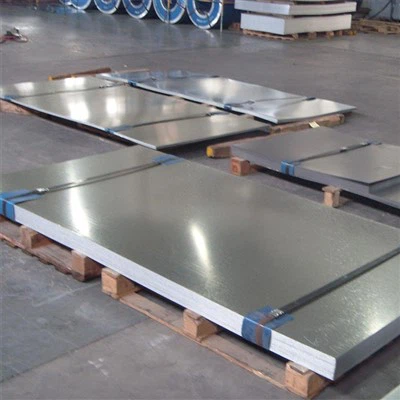
304 316 Stainless Steel
Large inventory, fast delivery
Meet customers' high standards and diverse needs.
Strict quality control that meets exact specifications for your applications
compliance with standards, such as ASTM, EN, and JIS, ensuring reliability and trustworthiness.
Grade, size, and surface finish can be customized according to needs
304 and 316 stainless steels differ in their composition, corrosion resistance, mechanical properties, and temperature tolerance. 316 stainless steel contains higher levels of nickel and molybdenum, giving it superior corrosion resistance and better low-temperature impact toughness. It is particularly well-suited for marine environments or areas with high chloride exposure.
On the other hand, 304 stainless steel performs effectively in general or mildly corrosive environments and is a more cost-effective option. Choosing between the two should be based on the specific environmental conditions and performance requirements.


Comparison: 304 vs. 316 Stainless Steel
1. Chemical Composition (304 vs. 316 Stainless Steel)
304 stainless steel is an austenitic stainless steel. Its main effective components include nickel (Ni) and chromium (Cr). The chromium content is usually around 18% to 20%, and the nickel content is in the range of 8% to 10.5%. It also contains a small amount of carbon (C), silicon (Si), manganese (Mn), phosphorus (P), sulfur (S), and other elements, as well as trace amounts of nitrogen (N), titanium (Ti) and molybdenum (Mo).
316 stainless steel is also an austenitic stainless steel. In addition to nickel and chromium, its main components also contain molybdenum (Mo). Its chemical composition is roughly 16.0-18.5% chromium (Cr), 10.0-14.0% nickel (Ni), 2.0-3.0% molybdenum (Mo), and other small amounts of carbon, silicon, manganese, phosphorus, sulfur, and other elements.
2. Corrosion Resistance
- 304 Stainless Steel:
Excellent resistance to rust and oxidation in standard atmospheric and mild chemical environments.
Suitable for general-purpose use in non-extreme environments.
- 316 Stainless Steel:
Superior resistance to pitting and crevice corrosion due to molybdenum content.
Ideal for marine environments, chemical processing, and areas with high chloride exposure.
3. Strength & Mechanical Properties
physical properties: 304 and 316 stainless steels have similar densities, melting points, and other basic attributes.
Mechanical properties: 316 stainless steel, with its higher nickel and molybdenum content, generally demonstrates better ductility and toughness. This makes 316 stainless steel more suitable for applications that demand higher strength and toughness.
4. Temperature Resistance
- 304 Stainless Steel:
Can withstand temperatures up to 870°C (1600°F) for intermittent use and 925°C (1700°F) for continuous use.
- 316 Stainless Steel:
Performs similarly to 304 but with improved scaling resistance at elevated temperatures due to molybdenum.
5. Processing and Welding Performance
Both 304 and 316 stainless steels exhibit good plasticity and weldability. However, due to its higher alloy content, 316 stainless steel typically requires greater heat input during welding. Additionally, post-welding heat treatment for 316 stainless steel demands more precise control to prevent sensitization, which refers to the precipitation of chromium carbides that can reduce corrosion resistance.
6. Cost and Application Considerations
The alloy composition of 316 stainless steel is more complex and includes costly elements like molybdenum, making it generally more expensive than 304 stainless steel. When choosing between these materials, it is important to balance their corrosion resistance and mechanical properties against cost-effectiveness for the specific application. For instance, 316 stainless steel is often essential in marine or high-chloride environments, whereas 304 stainless steel is a more economical choice for general atmospheric conditions.
Applications

Common Uses of 304 Stainless Steel:
Kitchen equipment (sinks, cutlery, cooking appliances)
Food processing and storage
Architectural paneling and decorations
Chemical containers without chlorides
Common Uses of 316 Stainless Steel:
Marine environments (boat fittings, coastal structures)
Chemical and petrochemical processing
Medical devices and surgical instruments
Heat exchangers and desalination plants

Certifications
We are a partner you can trust to provide the perfect solution for all your stainless steel needs.

QMC

EMC

OHSMS

SGS

SGS

TEST REPORT
Hot Tags: 304 316 stainless steel, China 304 316 stainless steel manufacturers, suppliers, factory, 201 stainless steel sheet, 316 stainless steel sheet, 316ti stainless steel sheet, 400 series stainless steel sheet, 430 stainless steel sheet, duplex stainless steel sheet
You Might Also Like



Send Inquiry