


Stainless Steel 304 Plate Thickness
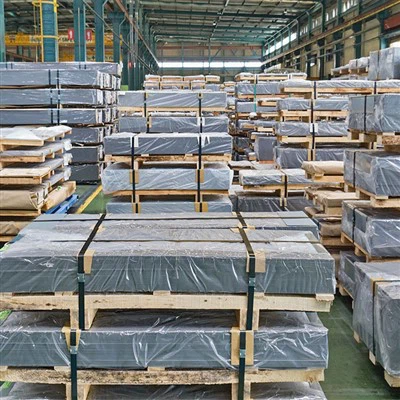
Medium Plates (3mm to 20mm): Used in storage tanks, railroad cars, and structural components; they combine strength and workability for a variety of industrial applications;
Thick plates (Over 20mm): Used in shipbuilding, pressure vessels, and heavy machinery; they offer exceptional durability and resistance to extreme temperatures and pressures.
Because of its exceptional corrosion resistance, durability, and aesthetic appeal, stainless steel 304 is a material that is widely utilized in many different industries. The thickness of stainless steel plates is one of the most important considerations when choosing them for a project. This guide will provide thorough information about stainless steel 304 plate thickness, worldwide standards, and common uses for various thickness ranges.
What Is Stainless Steel 304?
The austenitic family of stainless steels includes stainless steel 304. With its 18% chromium and 8% nickel content, it has outstanding formability, high tensile strength, and resistance to corrosion. Because of its adaptability, it is a preferred option in sectors like food processing, automotive, and construction.


Stainless Steel 304 Plate Thickness Specifications
Depending on the intended use, stainless steel 304 plates can have a wide range of thicknesses. Between 0.5mm (0.02 inches) and more than 50mm (2 inches) are the standard thicknesses. The usual categories are listed below:
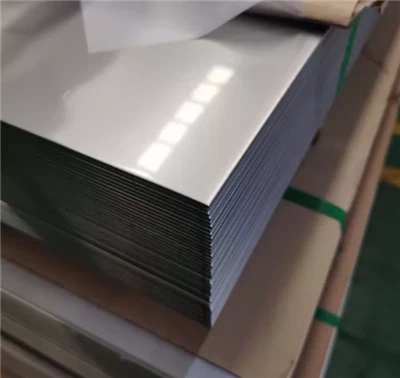
Thin Plates: 0.02 to 0.12 inches (0.5 to 3 mm)Because they are lightweight, thin plates are frequently utilized in very precise applications including electronics, architectural parts, and ornamental panels.
Medium Plates: 0.12 to 0.79 inches, 3 to 20 mmFor general-purpose applications in equipment manufacturing, transportation, and construction, medium thicknesses are perfect.
Thick Plates: Plates that are thicker than 20 mm (0.79 inches)Thick plates are robust and used in heavy-duty industries, including marine engineering, energy production, and industrial machinery.
Classification of Thickness: Millimeters, Inches, and Gauges
Three units of measurement-gauge, inches, and millimeters-are frequently used to classify the thicknesses of stainless steel plates. Depending on industry or geographical preferences, each unit has a distinct relevance.
Gauge
The United States and the United Kingdom are the main countries that employ gauge, a conventional measurement method. It alludes to how many steps are included in a typical thickness reduction procedure. Plates with smaller gauge numbers are thicker.
For instance:
16 gauge = 1.6mm (0.063 inches)
18 gauge = 1.2mm (0.047 inches)
20 gauge = 0.9mm (0.035 inches)

12 Gauge 304 Stainless Steel
Approx. 2.77 mm (0.109 inches) thick, offering excellent durability for structural and industrial applications.

14 Gauge 304 Stainless Steel
Approx. 1.98 mm (0.078 inches) thick, balancing strength and versatility for various fabrication projects.

18 Gauge 304 Stainless Steel
Approx. 1.27 mm (0.050 inches) thick, lightweight, and ideal for decorative and light-duty applications.
Inches (in)
In the United States and certain other areas that use the imperial system, inches are a common unit of measurement. frequently employed in building and engineering projects.
For instance:
0.125 inches = 3.18mm (3 gauge in some contexts)
0.25 inches = 6.35mm
0.5 inches = 12.7mm

1/4 inch 304 Stainless Steel Plate
Thickness is 6.35 mm (0.25 inches), ideal for heavy-duty industrial and structural applications.

1/16 inch stainless steel sheet
Thickness is 6.35 mm (0.25 inches), ideal for heavy-duty industrial and structural applications.

3/16 inch 304 stainless steel sheet
Thickness is 4.76 mm (0.1875 inches), providing excellent strength and versatility for mid-weight projects.
Millimeters (mm)
The metric system, which is extensively used and standardized by international organizations like ISO and EN, includes millimeters. In many businesses around the world, millimeters are accurate and widely accepted.
For instance:
1mm = 0.039 inches
5mm = 0.197 inches
10mm = 0.394 inches

2mm 304 Stainless Steel Sheet
Equivalent to 14 gauge (0.078 inches), offering a balance of durability and flexibility for various applications.

3mm 304 Stainless Steel Sheet
Equivalent to 11 gauge (0.118 inches), suitable for robust industrial and structural use.

6mm 304 Stainless Steel Sheet
Equivalent to 6 gauge (0.236 inches), ideal for heavy-duty projects requiring exceptional strength.

One-stop 304 stainless steel supplier in China
We offer high-quality 304 stainless steel plates in various sizes and finishes, with cutting and customization services available. Contact us today for pricing and assistance!
International Standards for Stainless Steel 304 Plate Thickness
The manufacturing and measurement of stainless steel plate thicknesses are governed by a number of international standards. These guidelines guarantee uniformity and excellence in international marketplaces. Among the most well-known are:
United States ASTM Standards
The general specifications for chromium and chromium-nickel stainless steel plates are outlined in ASTM A240.
Typical tolerances for thickness are ±0.8mm for thicker parts and ±0.25mm for thin plates.
European Standards (EN)
A European standard for flat stainless steel products, including plate thicknesses, is EN 10088-2.
EN ISO 9445 is used to classify tolerances.
Japan's JIS Standards
Japanese specifications for hot-rolled stainless steel plates, sheets, and strips are JIS G4304.
Accurate control of thickness for industrial uses.
International ISO Standards
ISO 18286: International guidelines for hot-rolled stainless steel plate thickness tolerances.
Considerations When Choosing Plate Thickness
Application Requirements
The project's mechanical and environmental requirements should be met by the thickness.
Cost and Weight
Although thicker plates are more costly and heavier, they are more durable.
Fabrication Procedures
While bigger plates call for specialized equipment, thinner plates are simpler to cut, bend, and weld.
Standards Compliance
Verify that the content satisfies pertinent international standards for performance and quality.
Certifications
We are a partner you can trust to provide the perfect solution for all your stainless steel needs.

QMC

EMC

OHSMS

SGS

SGS

TEST REPORT
Hot Tags: stainless steel 304 plate thickness, China stainless steel 304 plate thickness manufacturers, suppliers, factory, 202 stainless steel sheet, 2507 stainless steel sheet, 400 series stainless steel sheet, 410 stainless steel sheet, 430 stainless steel sheet, duplex stainless steel sheet
You Might Also Like


Send Inquiry