


UNS N08926 Stainless Steel
UNS N08926, also known as Alloy 926(EN:1.4529), is a high-alloy austenitic stainless steel with excellent corrosion resistance in a wide range of aggressive environments, including those containing halides such as chlorides and fluorides.UNS N08926 stainless steel, with its high corrosion resistance, mechanical strength, and versatility, is well-suited for use in aggressive environments across a wide range of industries.

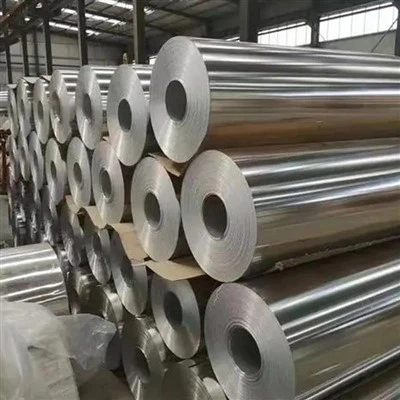
Strip Chemical Composition
|
Grade |
Standard |
C |
Si |
Mn |
P |
S |
Cr |
Ni |
Mo |
|
UNS N08926 |
ASTM |
≤0.02 |
≤0.50 |
≤1.00 |
≤0.030 |
≤0.010 |
19.00-21.00 |
24.00-26.00 |
6-7 |
Mechanical property
|
Alloy |
Tensile strength |
Yield strength |
Elongation |
Hardness |
|
UNS N08926 stainless steel |
650-850 MPa |
300-350 MPa |
Min 40% |
170 to 200 HB |
Physical Properties
|
Alloy |
Density |
Melting Point |
Thermal Conductivity |
Coefficient of Thermal Expansion |
|
UNS N08926 stainless steel |
8.0 g/cm³ |
1320-1390°C |
10-12 W/m·K. |
14-16 µm/m·K |
Melting Process
1. Raw Material Preparation
The melting process begins with the collection and preparation of raw materials, including:
Scrap stainless steel: Recycled stainless steel materials.
Virgin metals: Pure metals such as chromium, nickel, molybdenum, and copper.
Ferroalloys: Alloying agents like ferrochromium and ferromolybdenum.
2. Charging
The prepared raw materials are charged into a melting furnace according to the desired alloy composition.
Proportions of each element are carefully controlled to achieve the required chemical composition of UNS N08926 stainless steel.
3. Melting
The furnace, typically an Electric Arc Furnace (EAF) or Vacuum Induction Melting (VIM) furnace, generates the heat necessary to melt the raw materials.
Electric arcs or induction heating are used to raise the temperature of the charge to its melting point, typically above 1500°C (2732°F).
4. Alloying
Alloying agents, such as ferroalloys or pure metals, are added to the molten steel to adjust its chemical composition as needed.
Chemical analysis and monitoring ensure that the alloying elements are added in precise amounts to achieve the desired alloy grade.
Casting Process
1. Mold Preparation
Once the molten steel reaches the desired composition and temperature, it is ready for casting.
Molds are prepared according to the desired shape and size of the final product.
Molds may be made of sand, ceramic, or metal, depending on the casting method and application.
2. Pouring
The molten steel is poured from the furnace into the prepared molds.
Care is taken to ensure that the steel fills the mold cavity completely and evenly to avoid defects in the casting.
3. Solidification
As the molten steel cools, it solidifies and takes on the shape of the mold.
Solidification begins at the mold walls and progresses inward toward the center of the casting.
Proper cooling rates and solidification controls are critical to prevent defects such as shrinkage, porosity, and segregation.
4. Removal and Finishing
Once the casting has solidified, it is removed from the mold and allowed to cool further.
Depending on the application, the casting may undergo additional finishing processes such as machining, grinding, or heat treatment to achieve the desired final properties and dimensions.
Longevity and Durability
1. Resistance to Scaling and Oxidation
Scaling Resistance: Resistant to scaling and oxidation at high temperatures, maintaining surface integrity and preventing degradation in demanding thermal environments.
Oxidation Resistance: Withstands exposure to oxygen-rich atmospheres without significant oxidation or degradation, ensuring long-term performance in oxidative conditions.
2. Environmental Stability
Chemical Stability: Chemically stable in a wide range of environments, including acidic, alkaline, and saline conditions, ensuring consistent performance in diverse operating environments.
Temperature Stability: Stable mechanical properties and corrosion resistance across a broad temperature range, from cryogenic temperatures to elevated temperatures, allowing for versatile applications in various temperature environments.
3. Reliability in Critical Applications
Critical Infrastructure: Trusted for use in critical infrastructure and applications where failure can have significant safety, environmental, or financial consequences, such as in chemical plants, refineries, and power plants.
Mission-Critical Systems: Provides reliability and durability in mission-critical systems and equipment, minimizing the risk of unexpected failures or downtime in essential operations.
4. Material Traceability and Quality Assurance
Material Traceability: Traceable to its source materials and manufacturing processes, providing confidence in the material's composition, properties, and performance.
Quality Assurance: Produced under stringent quality control measures and manufacturing standards, ensuring consistency, reliability, and adherence to specifications throughout the production process.
5. Adaptability to Advanced Manufacturing Techniques
Compatibility with Advanced Processes: Suitable for use in advanced manufacturing techniques such as additive manufacturing (3D printing), where complex geometries and customized designs can be produced with precision and reliability.
Innovation and Optimization: Allows for innovation and optimization in design and manufacturing processes, enabling the development of customized solutions tailored to specific application requirements.
steel for Marine
1. Shipbuilding
Structural Components: The material is utilized for structural elements such as hulls, bulkheads, and decks in shipbuilding due to its corrosion resistance and high strength.
Marine Fittings: Fittings like bolts, nuts, and fasteners are made from UNS N08926 stainless steel to ensure they withstand the corrosive effects of seawater.
Ship Components: Various ship components, including propellers, shafts, and rudders, benefit from the material's durability and resistance to marine corrosion.
2. Offshore Platforms
Oil and Gas Platforms: UNS N08926 is used in offshore platforms for oil and gas extraction due to its ability to withstand the harsh marine environment, including exposure to saltwater, wind, and waves.
Structural Members: Key structural members such as platform decks, supports, and risers are often constructed using the material for its corrosion resistance and mechanical strength.
Piping and Tubing: Pipelines and tubing systems transporting oil, gas, and seawater in offshore operations are typically made from UNS N08926 stainless steel to prevent corrosion and ensure long-term reliability.
3. Marine Pollution Control
Ballast Water Treatment Systems: UNS N08926 is used in the construction of ballast water treatment systems, including tanks, pumps, and piping, to prevent corrosion from seawater and ensure efficient operation.
Oil Spill Response Equipment: Equipment used for oil spill response, such as skimmers, booms, and pumps, utilize the material for its corrosion resistance and durability in marine environments.
UNS N08926 stainless steel's longevity and durability are further underscored by its resistance to scaling and oxidation, environmental stability, reliability in critical applications, material traceability and quality assurance, and adaptability to advanced manufacturing techniques. These attributes make it a versatile, reliable, and sustainable material choice for a wide range of demanding applications across industries. Whether in harsh chemical environments, high-temperature processes, or critical infrastructure, UNS N08926 stainless steel demonstrates exceptional longevity, durability, and performance, ensuring the integrity and reliability of industrial systems and infrastructure over extended periods.
Hot Tags: uns n08926 stainless steel, China uns n08926 stainless steel manufacturers, suppliers, factory, 17 7ph stainless steel, hastelloy c 276 alloy strip foil, hastelloy x strip, monel alloy, nickel alloy foils, super austenitic stainless steel
Previous
904L Stainless SteelYou Might Also Like



Send Inquiry