


Forging 304 Stainless Steel
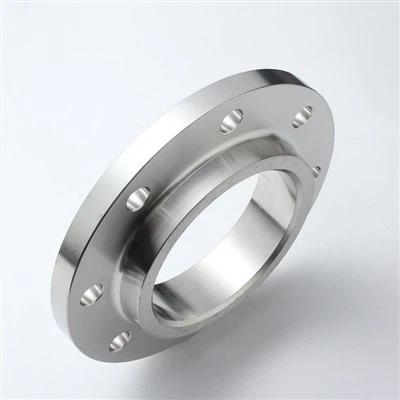
Forging 304 stainless steel involves shaping the material through compressive forces, typically at high temperatures. This process enhances its mechanical properties, such as strength and toughness, while retaining its corrosion resistance.


Characteristics of 304 Stainless Steel for Forging
Austenitic Structure
304 is non-magnetic and has excellent corrosion resistance due to its austenitic microstructure.
High Ductility
It can be easily formed and shaped, making it suitable for forging.
Good Strength
Forging enhances the mechanical properties, making it stronger and more durable for various applications.
Forging Process
Temperature Range
- Initial Forging Temperature: 1150°C to 1260°C (2100°F to 2300°F).
Start forging within this range to ensure the material is pliable and doesn't crack.
- Final Forging Temperature: Above 900°C (1650°F).
Complete the forging process before the temperature drops too low to avoid cracking.
Steps in Forging
- Heating: Heat the 304 stainless steel to the recommended forging temperature.
- Shaping: Use hammers, presses, or dies to shape the material into the desired form.
- Reheating: If the temperature drops below the recommended range, reheat the material to maintain malleability.
- Cooling: Allow the forged piece to cool slowly to avoid warping or distortion.
Post-Forging Treatment
- Annealing
Purpose: To relieve internal stresses induced during forging and restore ductility.
Process: Heat the forged part to 1010°C to 1120°C (1850°F to 2050°F), then cool rapidly by quenching in water or air.
- Pickling
Removes any scale or oxidation formed during the forging process.
- Machining
After forging and annealing, the part may require further machining to achieve precise dimensions and surface finish.
Certifications
We are a partner you can trust to provide the perfect solution for all your stainless steel needs.

QMC

EMC

OHSMS

SGS

SGS

TEST REPORT
Hot Tags: forging 304 stainless steel, China forging 304 stainless steel manufacturers, suppliers, factory, tube sheet, flat welding flange with neck, steel pipe flange cover, welding plate flange, flanges, flexible joint flange
You Might Also Like


Send Inquiry