


Stainless steel is a type of steel that contains chromium, giving it strong rust resistance. Based on its structure, stainless steel is classified into four main types: austenitic, ferritic, martensitic, and duplex stainless steel. Each type has unique characteristics and specific welding requirements.
Stainless steel is produced by adding chromium to steel, creating a passivated state that makes the material resistant to rust. For this property to be effective, the chromium content must be at least 12%. To further enhance corrosion resistance, elements such as nickel and molybdenum are often added to strengthen the passivation layer.
In general, "stainless steel" broadly includes both stainless and acid-resistant steel. While stainless steel is not always acid-resistant, acid-resistant steel typically offers superior rust resistance due to its enhanced chemical composition.

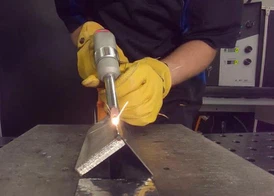
Austenitic Stainless Steel and Its Welding Characteristics
Austenitic stainless steel contains a high proportion of chromium and nickel, typically forming a fully austenitic structure at room temperature. This steel offers excellent plasticity, toughness, and corrosion resistance. During welding, however, it presents several challenges:
Intergranular Corrosion:
When austenitic stainless steel remains within the temperature range of 450℃ to 850℃ for an extended period, Cr23C6 carbides may precipitate at grain boundaries, creating chromium-depleted zones and causing intergranular corrosion. Preventive measures include using ultra-low carbon or stabilized welding materials with elements like titanium or niobium, applying low-heat input welding techniques, and performing post-weld solution treatment.
Hot Cracks:
Due to its high thermal expansion coefficient, austenitic stainless steel experiences significant shrinkage stress during cooling, making it prone to hot cracking. To prevent this, weld metal composition can be adjusted to form a duplex structure, with ferrite content controlled between 3% and 5%. Additionally, selecting the appropriate electrode coating can reduce cracking risks.
Stress Corrosion Cracking:
Welded joints in austenitic stainless steel may experience delayed cracking under tensile stress in specific corrosive environments. Preventive strategies include selecting compatible welding materials, ensuring proper matching between the weld and base metal, using suitable welding processes, and applying post-weld stress relief treatment.
Poor Weld Formation:
Due to its high alloy content and the molten pool's low fluidity, austenitic stainless steel can result in poor weld surface quality. To improve weld formation, techniques such as tungsten inert gas (TIG) welding for root passes, controlling the heat-affected zone's sensitization temperature range, and applying narrow weld bead technology can be used.
Ferritic Stainless Steel and Its Welding Characteristics
Ferritic stainless steel contains 10.5% to 30% chromium and has a body-centered cubic lattice structure. It typically lacks nickel but may include small amounts of molybdenum, titanium, or niobium for enhanced properties. This steel has high thermal conductivity, low thermal expansion, and excellent oxidation and stress corrosion resistance. Its welding characteristics include:
Weldability:
Due to its low thermal expansion coefficient, ferritic stainless steel tends to develop welding stresses, which can cause cracking. Preheating before welding and slow cooling afterward are essential to minimize stress and avoid cracking.
Intergranular Corrosion:
Ferritic stainless steel is prone to intergranular corrosion, especially when the carbon content is high. To reduce this risk, using low-carbon or stabilized welding materials is recommended.
Corrosion Resistance:
Ferritic stainless steel offers better corrosion resistance than austenitic 316 stainless steel, particularly in environments with high chlorine content. This makes it suitable for aggressive corrosive conditions.
Mechanical Properties:
Ferritic stainless steel has slightly higher yield and tensile strength than low-carbon steel, but lower ductility. Special attention should be given to maintaining weld plasticity and toughness during welding.
Brittleness:
Ferritic stainless steel can become brittle at room temperature, especially high-chromium grades. Controlling the cooling rate during welding and applying appropriate post-weld heat treatment can mitigate this issue.
High-Temperature Embrittlement:
At elevated temperatures, ferritic stainless steel may experience embrittlement due to carbide precipitation. This risk can be minimized by controlling the steel's carbon and nitrogen content.
Martensitic Stainless Steel and Its Welding Characteristics
Martensitic stainless steel is a high-carbon stainless steel with a body-centered cubic lattice structure. It achieves high strength and hardness through heat treatment but has relatively low plasticity and toughness. Key welding characteristics include:
Hardening Tendency:
Martensitic stainless steel tends to form a hard and brittle martensitic structure upon cooling after welding, increasing the risk of brittleness and cracking in welded joints.
Preheating and Post-Heat Treatment:
To reduce welding stress and prevent cracking, preheating before welding and applying post-weld heat treatment are essential. These measures help restore the toughness of the welded area.
Welding Cracks:
Due to its hardenability and welding stress, martensitic stainless steel is prone to cold cracking, especially if preheating and post-heat treatment are not performed properly.
Welding Material Selection:
Choosing appropriate welding materials is critical. Low-hydrogen electrodes or welding wires matching the parent material's chemical composition are typically used to reduce cracking risks.
Welding Process:
Selecting the right welding process, such as arc welding or tungsten inert gas (TIG) welding, and controlling welding parameters are crucial for achieving high-quality welds.
Cooling Rate:
The cooling rate after welding significantly affects the weld quality. Rapid cooling increases the risk of hardening and cracking, while slow cooling may reduce toughness in the welded area.
So, ensuring high welding quality and performance involves selecting the appropriate welding materials, controlling welding parameters, and performing suitable post-weld treatments. A thorough understanding of the welding characteristics of stainless steel is crucial for designing and manufacturing durable machinery.


